New analysis from Companion Animals NZ (CANZ) suggests Kiwi cat owners may be giving their cats more physical affection than dog owners give their dogs.
With 63% of New Zealand households sharing their home with a companion animal, National Pet Day on 11 April is a day to recognise the profound and undeniable impact pets have on the wellbeing of nearly two-thirds of Kiwi homes. Given how central pets are in our lives, how we express that care — and what we prioritise — matters.
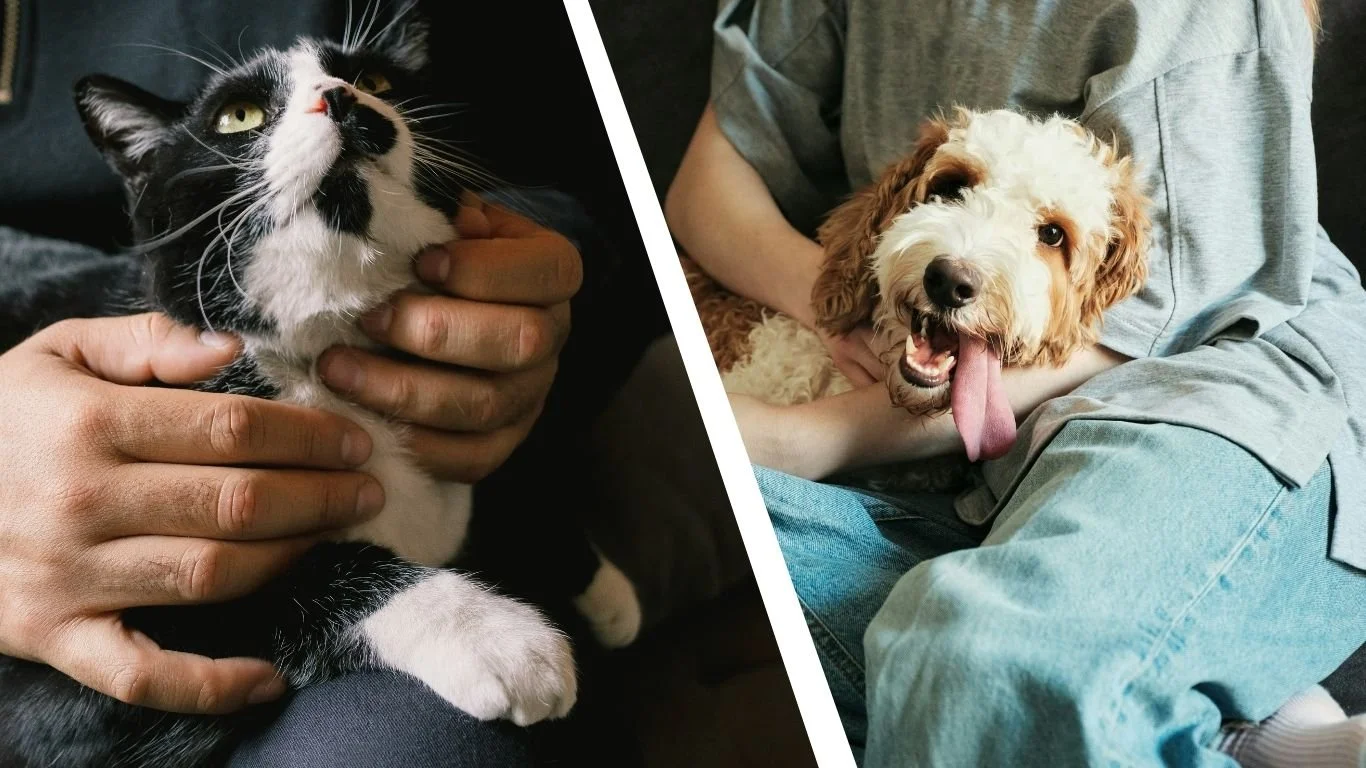
New analysis of data from CANZ’s nationally representative pet ownership survey, shows that 42% of cat owners said physical affection from them is one of the most important things for giving their cat a good life. By comparison, only 27% of dog guardians selected physical affection as a top three contributor to a good life, creating a 15% “cuddle gap” between cats and dogs.
But what sits behind this “cuddle gap” is more complex than it first appears. CANZ CEO, Pete Monk, explains that guardians understandably interpret caring for their animals differently.
“It’s important to be clear — this doesn’t necessarily mean dogs are getting less love.”
“It’s important to be clear — this doesn’t necessarily mean dogs are getting less love,” says Pete. “Nearly two-thirds of dog owners said love and companionship are key to a good life. The so-called ‘cuddle gap’ highlights those who specifically prioritise physical affection — things like cuddles, pats, or close contact.
“It’s an intriguing question to ponder on National Pet Day: do we cuddle our cats more than our dogs? Beyond the playful curiosity, it prompts us to reflect on the many ways we show love and care for our pets. Owners may express care differently depending on whether they have a cat or a dog — through lap time, play, walks, or interactive enrichment — but a cat getting more hugs doesn’t necessarily mean a better overall welfare outcome. A truly good life comes from combining affection with consistent care and understanding each animal’s needs.”
So, why might cats get more cuddles than dogs? CANZ speculates that it’s partly about how owners interpret and express affection differently for cats versus dogs - cats may invite lap time and short bursts of physical contact more frequently, while dogs often show their bond through play, walks, and interactive enrichment. Broader research on human–pet interactions in this area would be worth exploring.
Love alone isn’t enough
The findings also highlight a gap between how people feel about their pets - and how that translates into day-to-day care. While many people deeply love their animals, that doesn’t always translate into meeting all of their needs — such as regular grooming, exercise, companionship, or socialisation. Practical steps like microchipping, registration, and annual veterinary check-ups can also be overlooked.
“Our survey analysis shows that while affection is often a priority, practical care isn’t always seen as essential,” says Pete. “That might be due to lack of awareness, cost, or busy lifestyles. As with all survey findings, these results show patterns in attitudes and behaviour, but don’t necessarily explain what drives them. For example, some actions often occur together - like vet visits and pet insurance - but the direction of that relationship isn’t always clear and we can’t presume ‘causality’ of one to the other.”
This National Pet Day, Companion Animals NZ is reminding Kiwi pet owners that “Life’s better with them” – but giving animals a good life in return takes more than love alone. By understanding their needs, keeping them safe and healthy, providing enrichment and social connection, and making everyday choices that help them thrive — not just survive.
This National Pet Day, pet owners are encouraged to:
Give them a good life – Combine love with safety, enrichment, social connection, and proactive healthcare.
Keep them identifiable – Ensure your pet is microchipped and registered on NZ Companion Animal Register so they can be returned home if lost.
Plan for their lifetime care – Meet their needs for nutrition, exercise, health, behaviour – and have a plan in place for emergencies or if something happens to you.
Speak up for their welfare – Stay informed on issues affecting pets and help ensure their needs are considered.
ENDS
ABOUT CANZ
Companion Animals New Zealand (CANZ) is an independent, science-based charity committed to ensuring all companion animals live a 'Good Life' with responsible guardians. We use education, advocacy and community programmes to achieve this. We also operate the New Zealand Companion Animal Register (NZCAR), the country's largest microchip database with more than 1.5 million total registrations. Our Board comprises independent trustees and representatives from a range of animal welfare groups, including SPCA, New Zealand Veterinary Association (NZVA), Dogs NZ, New Zealand. Cat Fancy, the New Zealand Veterinary Nursing Association (NZVNA) and the New Zealand Institute of Animal Management (NZIAM).
ABOUT THE REPORT
The full Report 2 analysis will be released soon – for preliminary insights published on our website, see our results article here. This report examines a range of outcome variables including likelihood of ownership, insurance uptake, and veterinary visit frequency, across a dataset of 2,097 respondents. Three guardian demographics (education, gender, and household composition) and three animal characteristics (breed type, acquisition cost, and whether the guardian owned multiple species) served as key predictors throughout. Most models used binary logistic regression to identify associations between these predictors and each outcome variable. It should be noted that logistic regression does not establish causal direction - associations may operate either way, and unmeasured correlated factors are likely present.
To explore the findings from our original report, visit: 2024 NZ Pet Data Report — Companion Animals New Zealand