
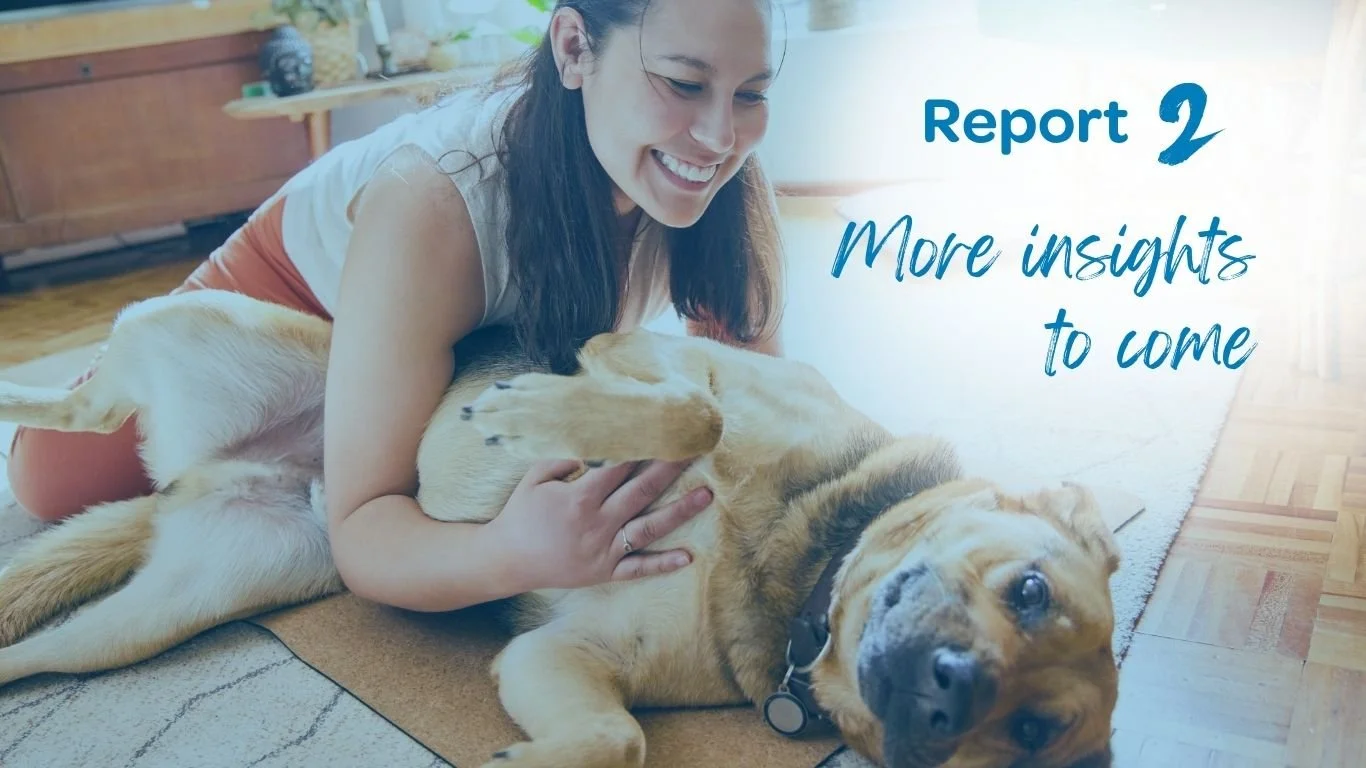
What new analysis tells us about how pets are viewed and cared for in New Zealand.
With 63% of New Zealand households sharing their lives with a companion animal, the bond between people and pets is both widespread and deeply valued. An upcoming report from Companion Animals New Zealand (CANZ) on an expanded dataset from our Pet Data survey shows that while love is universal, what people believe a good life looks like varies.
The survey explored companion animal wellbeing through a range of owner-reported priorities, including practical care (e.g., veterinary check-ups, grooming, and safety), environmental provision (e.g., space, enrichment, and shelter), and relational factors (e.g., affection, companionship, and social needs).
While our original NZ Pet Data Report focused on what New Zealanders are doing, this additional analysis helps answer the next question: Who is doing it - and why are they doing it?
By exploring relationships between demographics, behaviours, and attitudes, we can better understand how to support guardians to give their animals a truly good life, while recognising that the associations we found were not necessarily causal and may reflect bidirectional or underlying influences.
The below outlines some of the key findings, and more insights like these will be shared in Report 2, coming in full very soon.
ANIMAL ACQUISITION - OPPORTUNITY, NOT ALWAYS INTENTION
The data shows that pet ownership in New Zealand is diverse - and so are the decisions people make. From how animals are acquired, to what people believe matters most for an animal to have a good life, patterns shift depending on variables like household structure, gender of the guardian and type of animal.
One of the patterns in the dataset shows how animals enter homes; it suggests that additional pets are more likely to be acquired for free:
Cats: 51% of first cats were free → rising to 71% by the third cat
Dogs: 23% of first dogs were free → rising to 41% by the third dog
This suggests that first pets are often planned decisions, whereas additional pets are more likely to be opportunistic or circumstantial.
Additionally, household type influences how pets are acquired:
Households without children were more likely to acquire pets for free
Households with children were more likely to purchase
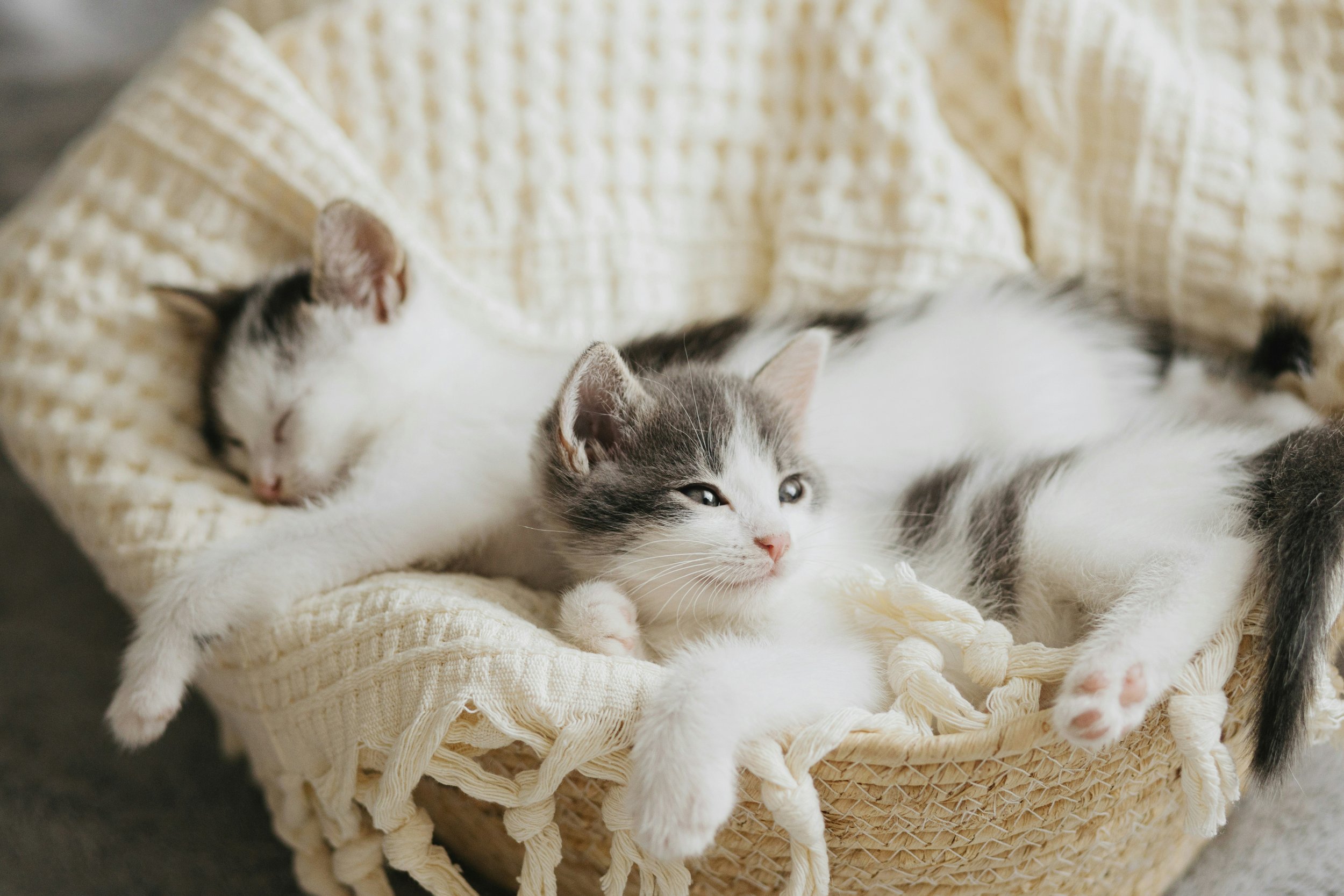
This may reflect how animals are integrated into different family structures, with households without children potentially having more time and flexibility to take on animals that require more time and effort.
Mixed breed animals were far more likely to be acquired for free, while pure breed and registered pedigree animals were more often purchased – suggesting two distinct pathways to pet ownership: intentional acquisition and more incidental routes.
THE “CUDDLE GAP” BETWEEN CATS AND DOGS
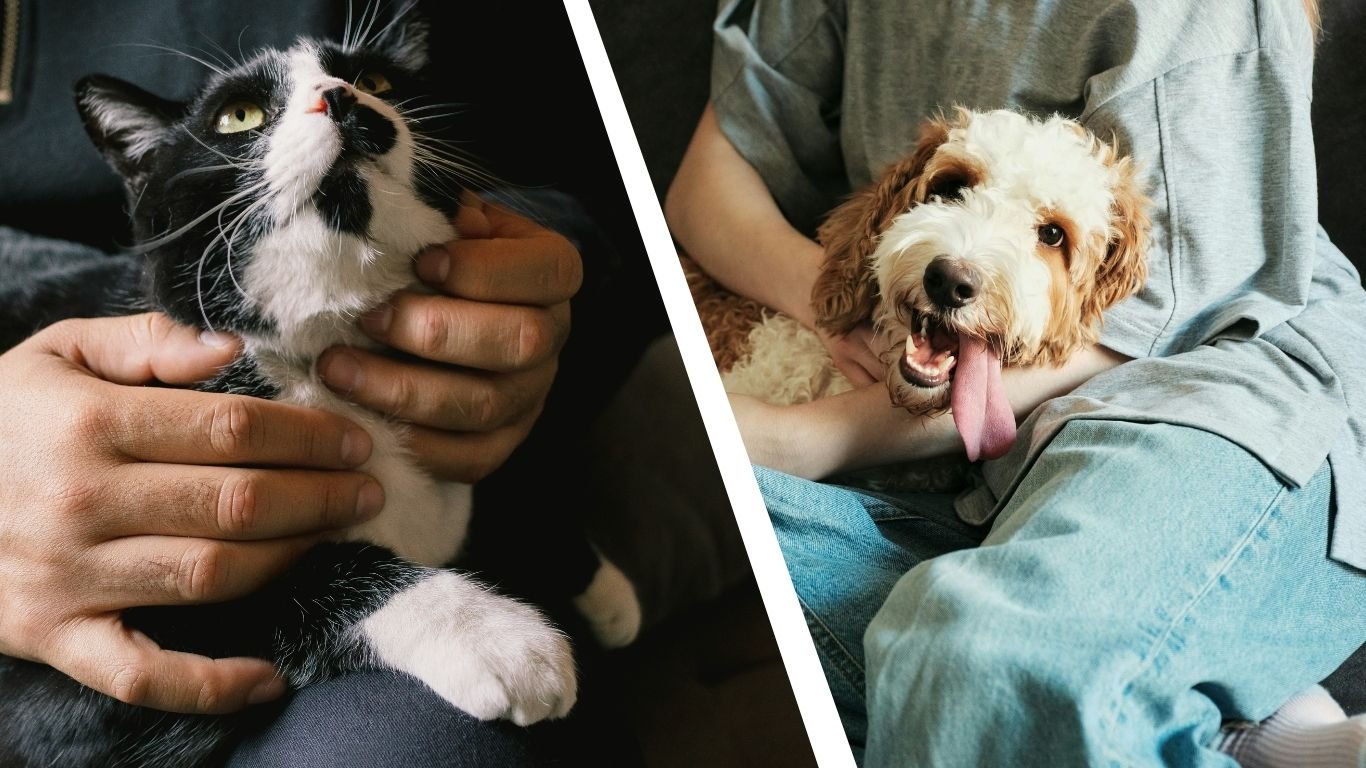
While owner ‘love and companionship’ was the most commonly selected contributor to what people viewed to be a good life across pet types, how people express care differs.
When asked to pick their top 3, the survey found that 42% of cat owners consider physical affection - like cuddles and pats – one of the top contributors to a good life for their cats, compared with 27% of dog owners selecting this, creating a 15% “cuddle gap”.
Key insights:
42% of cat owners identified physical affection as a key contributor; this pattern was consistent across all demographics, showing the bond is widely shared. Whereas 27% of dog owners selected physical affection as one of the top priorities.
Dogs are not loved less - nearly two-thirds of dog owners still rate love and companionship as essential to a good life. The “cuddle gap” reflects differences in physical affection specifically, not overall care or bonding.
LOVE DOESN’T ALWAYS TRANSLATE INTO PROTECTION WITH INSURANCE
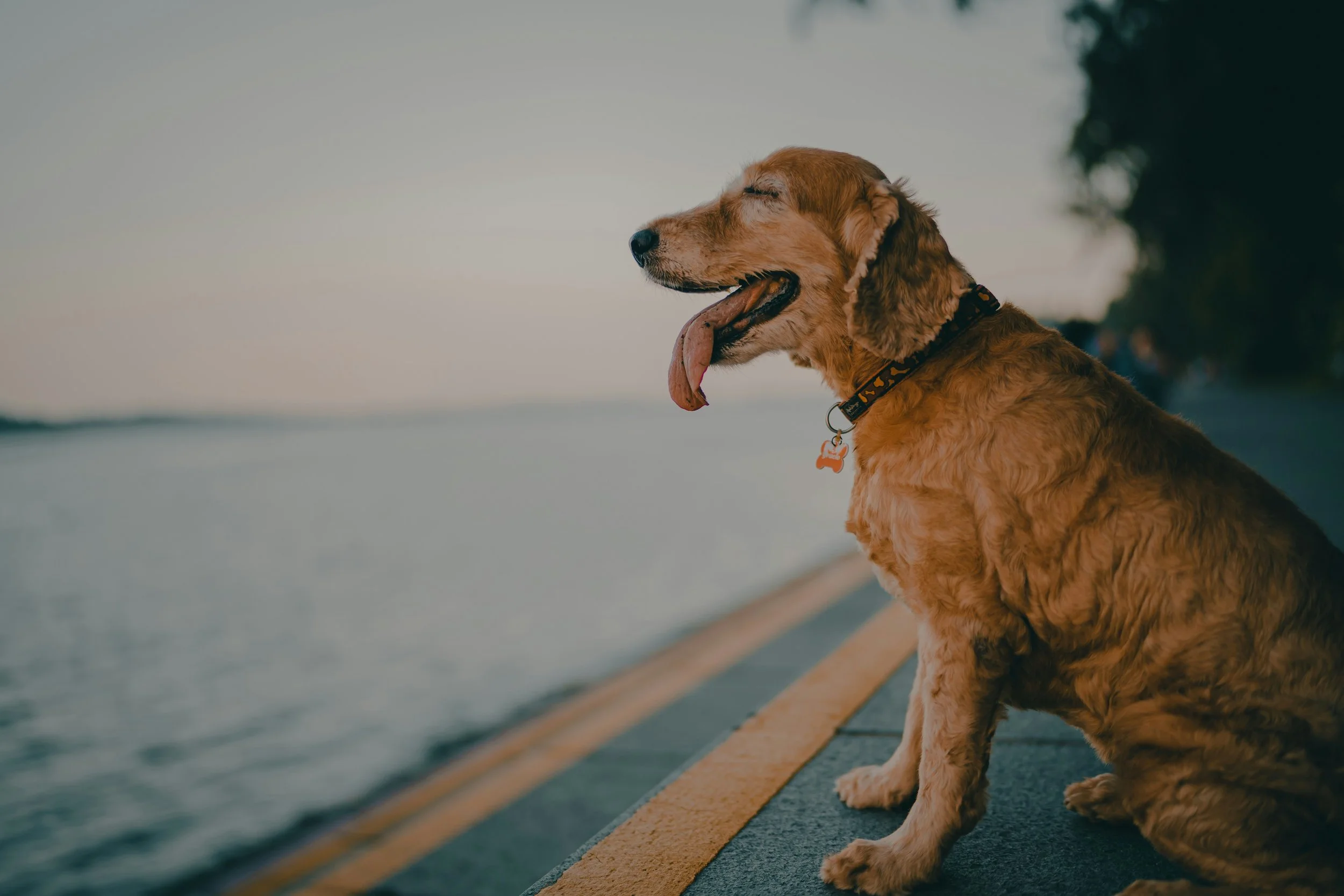
Pet insurance remains relatively uncommon - held by 27% of dog owners, 12% of cat owners, 9% of horse owners and just 3% of rabbit owners. While many owners prioritised love and companionship, these emotional factors were not linked to insurance uptake. Instead, positive attitudes towards providing enrichment were stronger indicators.
This highlights an important gap: People care deeply about their animals - but that care doesn’t always translate into forward-looking, protective actions.
Key insights:
No link between insurance and affection or companionship
Strong link between insurance and valuing enrichment
Insured owners were more likely to demonstrate a broader “care package” of behaviours (e.g., annual veterinary check-ups and vaccination visits).
INSURANCE MAY REFLECT A PROACTIVE APPROACH TO CARE
Analysis showed that insurance was more closely linked to what people do rather than what they believe. Owners who regularly engaged in preventative care, such as annual vet visits and vaccinations, were more likely to insure their pets, although this association was not necessarily causal and may be bidirectional.
The belief that annual vet visits are important for a good life, was only associated with insurance status among cat owners, suggesting that attitudes do not always translate into behaviour.
This suggests insurance isn’t just a financial decision. It reflects a broader mindset of proactive planning and active investment in an animal’s wellbeing. While surveys cannot truly tell us which action causes which (controlled studies are required for this), some key insights regarding insurance and vet visits nonetheless include:
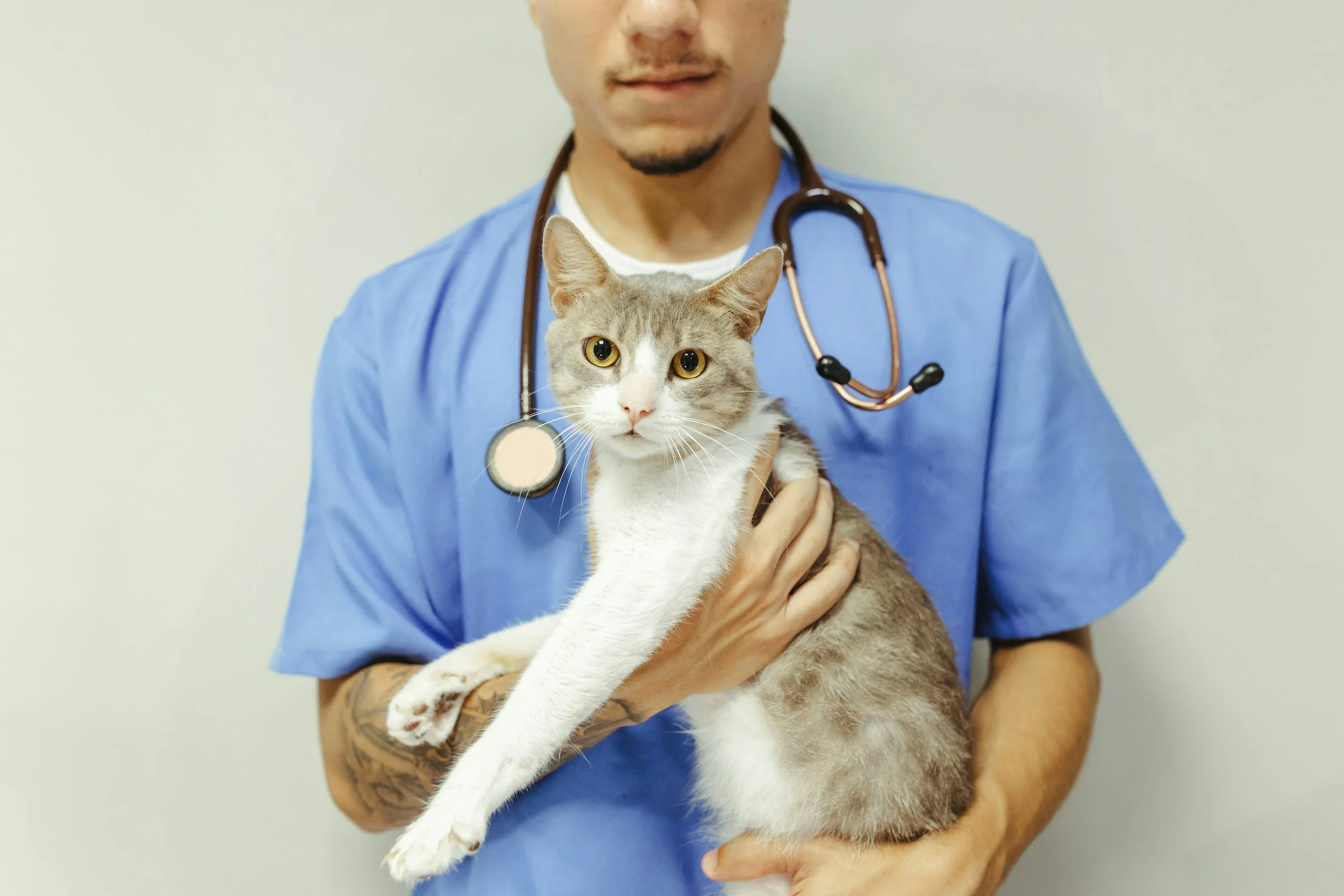
Owners who attend annual vet checks are more likely to have insurance
Those who don’t visit the vet are also less likely to insure
For dog owners in particular, behaviour (visiting the vet) appears more strongly associated with insurance than attitudes.
MANY NON-PET OWNERS STILL WANT A PET - BUT FACE BARRIERS
While not everyone currently has a companion animal, interest in pet ownership remains strong. In fact, our new analysis showed that out of the respondents who did not currently have a pet, 58% would like a pet in the future, and a third have previously had a pet.
Dogs were the most desired species by this cohort (69%)
Cats came in second at 55%
Past pet type predicted what type of pet people wanted next
Nearly 90% of past cat owners intended to have another cat
People who had previously owned both a cat and a dog also preferred a future cat (57%)
The barriers these people encountered were:
Lifestyle not suitable for pet ownership (47%)
Cost (39%)
Responsibility (28%)
Landlord restrictions (27%)
For those who did not want a future pet, the most cited reasons for not wanting one were time (49%), cost (47%), and responsibility (35%). Our survey also found that some of these responses centered on the loss of an animal and the grief that followed, serving as a reminder that the depth of the human-animal bond can make loss feel too significant to risk losing again.
Pet ownership (past and future) was also affected by factors like gender and household situation; women were more likely than men to have owned pets in the past and to want them in the future, while people whose children had left home were less likely to plan for future pet ownership. These patterns suggest that life stage may play a significant role in decisions about pets.
Key points:
Men are less likely to have owned pets or want one in the future
People with older children no longer at home are less likely to want a pet
Interest in pet ownership may be higher in households with children.
WHERE PEOPLE BUY PET FOOD DIFFERS BY SPECIES — AND CONVENIENCE MATTERS
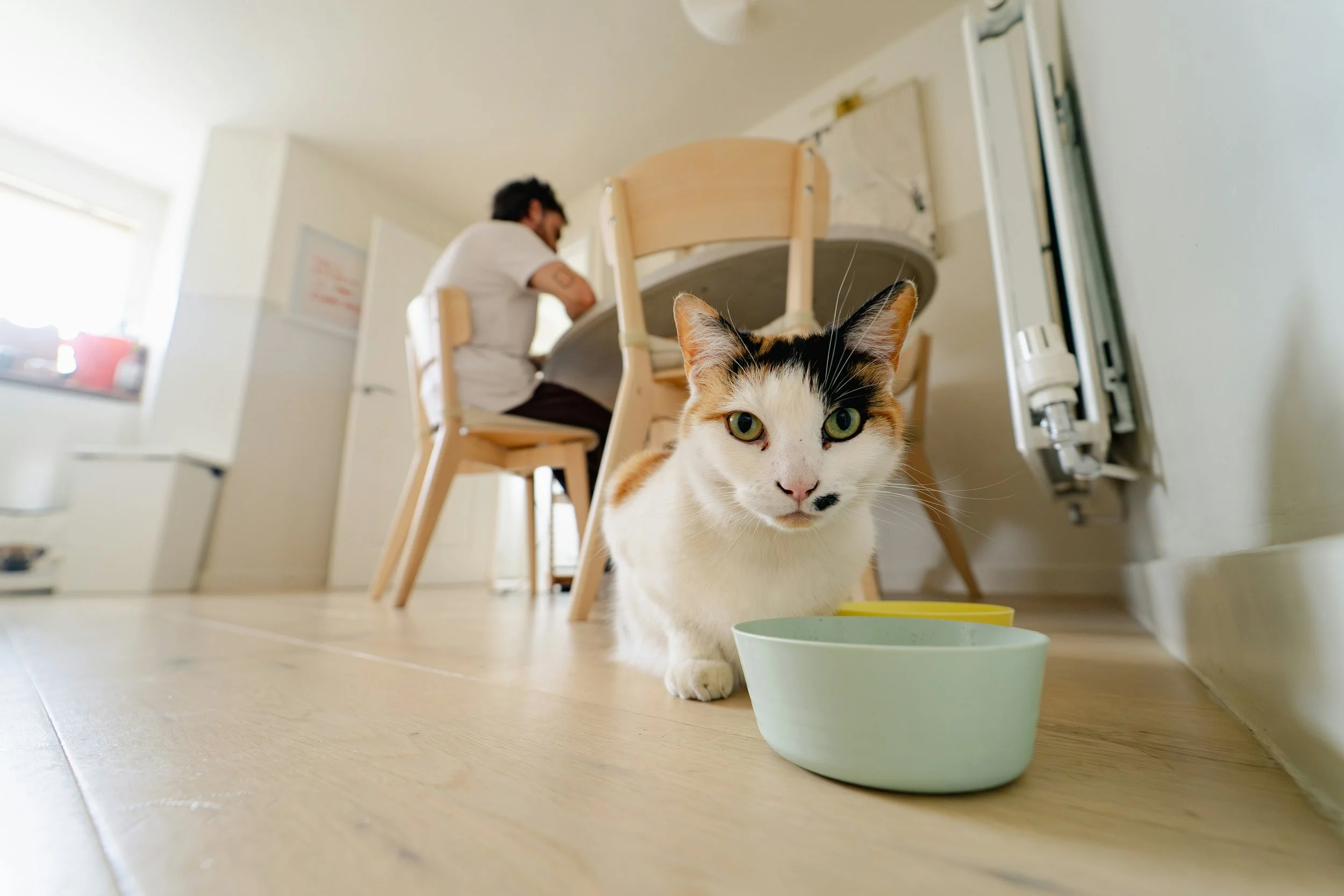
Where people choose to buy pet food — and what they feed — varies notably by species and lifestyle. Supermarkets are the dominant purchasing location for cat owners, with 79% buying food this way, while dog owners are more split, with 48% relying on supermarkets and others turning to a wider range of sources.
In contrast, rabbit owners are more likely to purchase from pet stores (49%), reflecting the more specialised nature of their dietary needs. Feeding choices also differ, with raw diets more commonly adopted by dog owners (30%) than cat owners (22%).
This expanded dataset analysis confirms that love for companion animals is universal – but love alone doesn’t always translate into the behaviours, practical care and mindsets that support long-term wellbeing. Understanding where those gaps exist is essential to help guardians in Aotearoa New Zealand give their animals a truly ‘good life’.
The full ‘Report 2’can now be viewed here: Report 2 Extended Analysis
To explore the findings from our original report, visit: 2024 NZ Pet Data Report — Companion Animals New Zealand
This report examines a range of outcome variables including likelihood of ownership, insurance uptake, and veterinary visit frequency, across a dataset of 2,097 respondents. Three guardian demographics (education, gender, and household composition) and three animal characteristics (breed type, acquisition cost, and whether the guardian owned multiple species) served as key predictors throughout. Most models used binary logistic regression to identify associations between these predictors and each outcome variable. It should be noted that logistic regression does not establish causal direction - associations may operate either way, and unmeasured correlated factors are likely present.