
Ahead of National Pet day on 11 April, we’re discussing 10 ways our companion animals make our lives better - 💫Backed by Science 💫
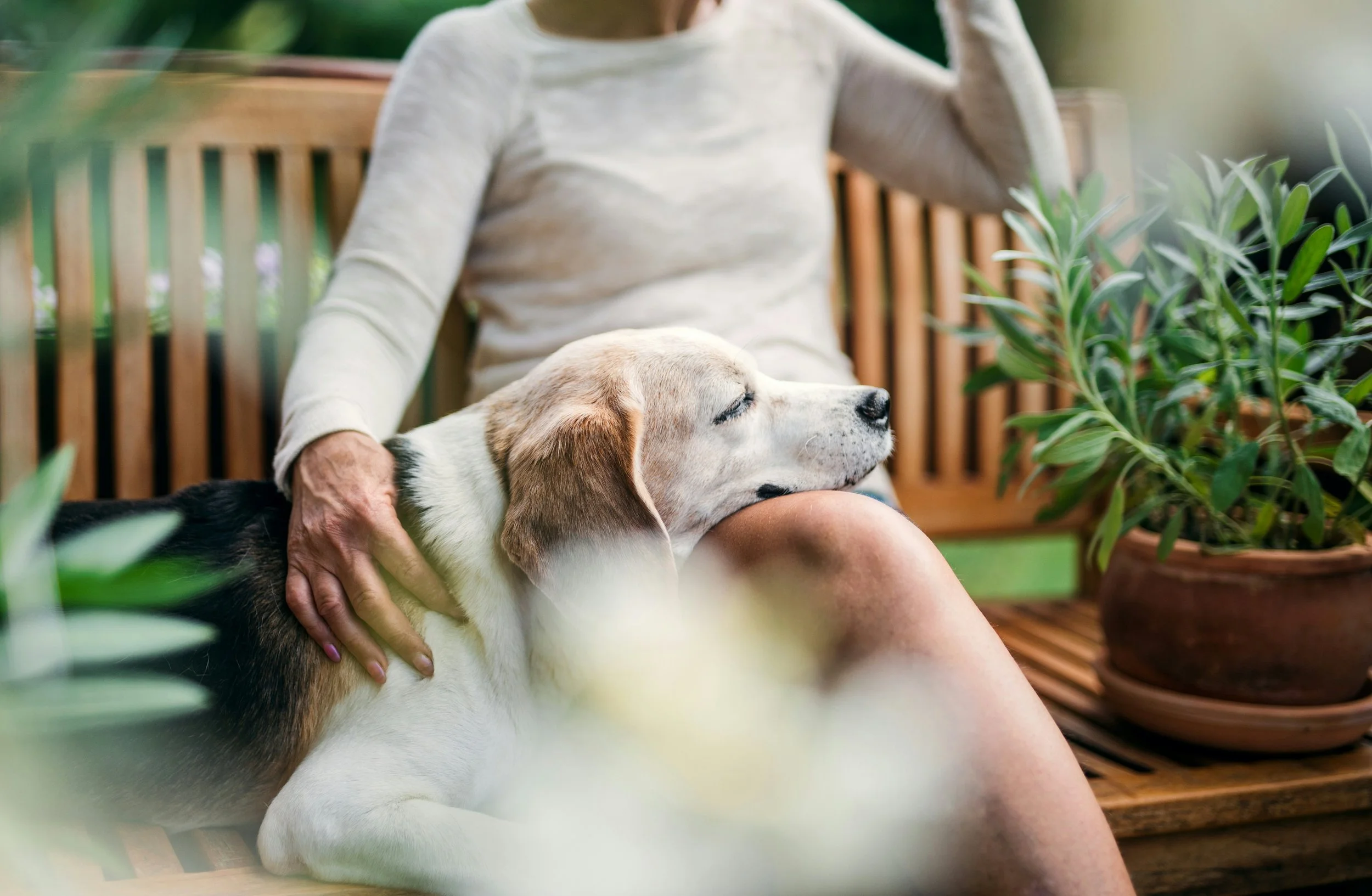
1. They Lower Our Stress
Studies show interacting with pets can reduce cortisol (the stress hormone) and increase oxytocin – the same “bonding” hormone released between parents and children¹.,² Even a few minutes of patting a dog or cat can activate the parasympathetic nervous system, shifting us out of ‘fight or flight’ and into a calmer, more regulated state³˒⁴. For many people, their pet is one of the most consistent sources of this kind of grounding in their daily lives.
At the same time, responsible ownership is no small thing. Research reminds us that caring for a pet comes with responsibility - financial, emotional, and practical - which can add stress if support systems aren’t in place⁵˒⁶. Like any meaningful relationship, the human-pet bond is most nourishing when it is sustainable.
2. They Get Us Moving
Dog guardians tend to walk more and meet physical activity guidelines more often than non-dog owners. That daily walk adds up - for both heart health and mental clarity. Dog owners who walk their pets are over 2.5 times more likely to meet a recommended 150 minutes of moderate-intensity exercise per week to enhance their health compared to non-dog owners⁷. And dog walking also calms your brain, activating relaxing brain pathways and reducing stress-related nerve activity⁸. In other words, walking with your dog may have a more relaxing effect on the brain than walking alone.
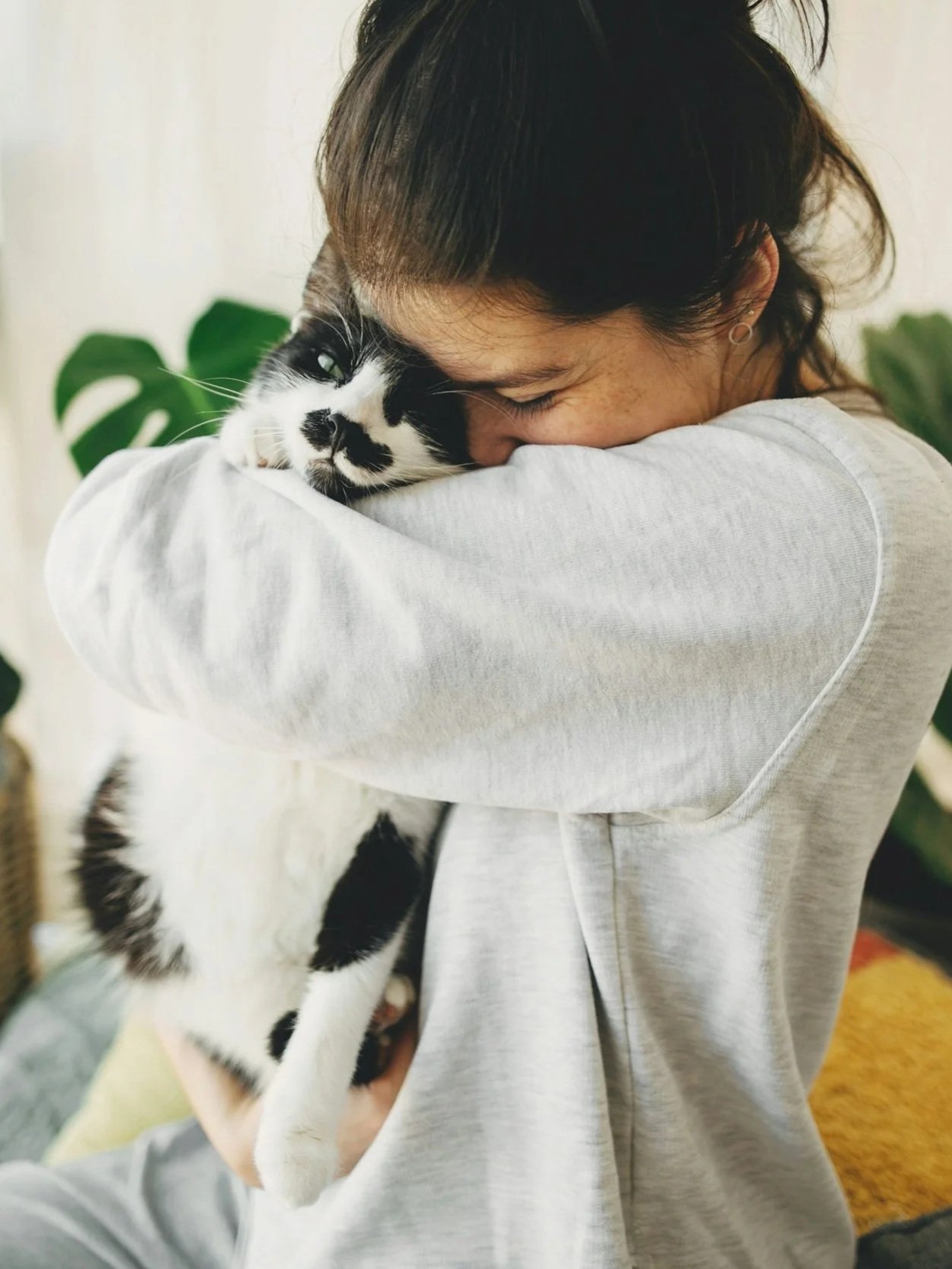
3. They Reduce Loneliness
Companion animals provide routine, presence, and non-judgmental companionship - particularly powerful for older adults and people living alone. Among adults aged 60+, pet owners were 36% less likely to report loneliness compared to non-pet owners⁹, and animal-assisted therapy in long-term care settings has also been shown to reduce loneliness¹⁰. The effect is driven by both the comfort of animal presence and the structure that caregiving creates.
4. They Strengthen Community Connections
Dogs are particularly powerful social catalysts. A 2004 study found that people were far more likely to acknowledge or interact with someone walking a dog than with someone walking alone or carrying a plant¹¹. Another study showed that pet owners are significantly more likely than non-pet owners to get to know people in their neighbourhood.
Dog owners in particular view people they meet through their dog as friends. Around 40% of pet owners reported receiving one or more types of social support (i.e., emotional, informational, appraisal, instrumental) from people they met through their pet. This suggests that pets can play an important role in building healthier neighbourhoods¹² and stronger community connections.
5. They Help Shape Who Children become
Growing up with animals may support stronger emotional understanding and nurturing behaviours. A systematic review of 22 studies published in 2017 found evidence linking pet ownership to a wide range of emotional benefits in childhood - particularly improvements in self-esteem and reduced loneliness - as well as increased social competence, social interaction, and perspective-taking abilities¹³.
Taking responsibility for a pet also gives children an early opportunity to practise the role of caregiver, fostering compassion through daily acts of feeding, play, and gentle handling. This is precisely why teaching children to approach animals with patience and respect matters: it doesn't just protect the animal - it actively shapes how children learn to relate to the world around them.
6. They Provide Routine and Purpose
Feeding, walking, and care create structure - something especially protective during stressful life periods. Pets enforce routine in a way no alarm clock can: their needs are immediate and emotionally compelling, giving owners a daily sense of being needed. Research backs this up – in one study, dogs were described as creating a form of “co-discipline” around walking: owners said that their dogs would anticipate walk times often and become excited, making it harder to skip¹⁴. The daily walks were described as relaxing and stress-relieving, one person noting they had to do it “every day for my sanity”. Pets don’t just fill time – they give it purpose.
7. They Support Mental Health
Pets can support our mental wellbeing in ways that go beyond just companionship. A UK study found that young adults felt real relief from anxiety and depression through everyday moments with their cats and dogs- playing, going for walks, or simply sitting and patting them.
Many people said their pets seemed to pick up on how they were feeling. Things like staying close or making eye contact helped create a sense of calm and safety. During tougher times, pets also gave them a lift - helping them feel more motivated and a bit more positive about the day ahead.¹⁵
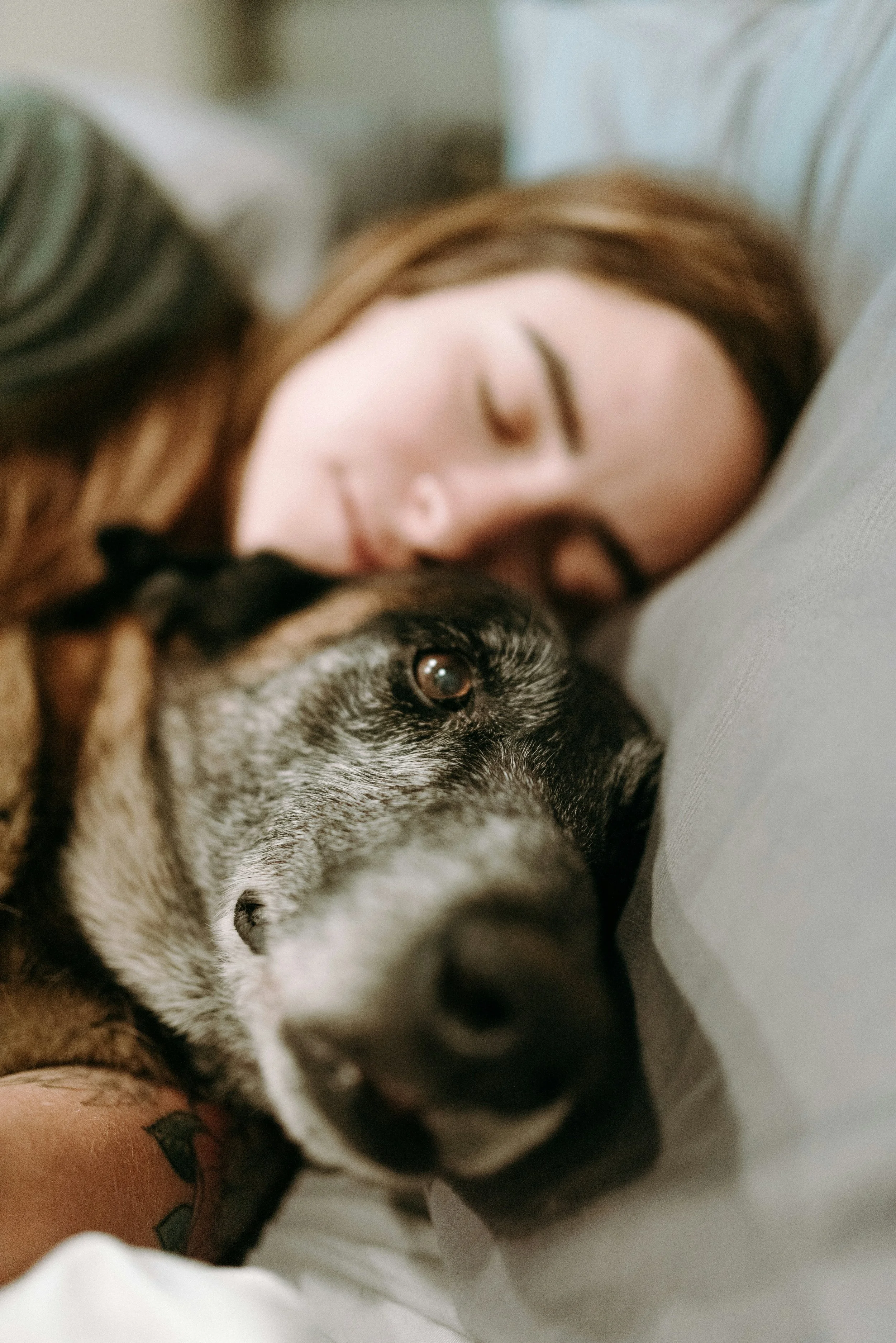
8. They Help Us Navigate Grief
Pets often provide quiet stability during times of loss, offering routine and comfort, and a non-judgmental presence when words feel hard. A 2021 study asked people who had experienced devastating losses to rate all of the support in their lives: family, friends, therapists, faith leaders, and more.
Animals ranked highest of all¹⁶. Participants didn't need their pets to say the right thing - they needed someone to simply show up, without agenda, without growing tired of their grief. As one participant put it: “My dog was the person who was with me all the time. I think just having that soul there who can’t say anything so it’s like you know they’re not saying the right or wrong thing, they’re just there." That quality of presence, uncomplicated and completely consistent, is something even the most well-meaning humans often struggle to sustain. For many people, it becomes an anchor when everything else feels uncertain.
9. They Spark Conversations
Pets are natural social connectors. A study from 2000 found that the frequency of social interactions increased when a person was accompanied by a dog, especially interactions with strangers, and more importantly, regardless of the handler's appearance or where they were¹⁷. The researchers concluded that walking with a dog can promote social interaction and change human-to-human dynamics, helping start conversations with people who would otherwise remain strangers. A shared moment over a wagging tail or a curious kitten can turn strangers into acquaintances - and sometimes into friends.
10. They Anchor Us in the Present
Animals are by nature creatures of the immediate – they live in the now! Watching a dog investigate a scent trail or a cat stretch into a patch of sunlight gently draws us into the present moment. This matters because the human mind tends to do the opposite – it drifts…
Research suggests using mindfulness to engage with your dog increases well-being: when dog owners were guided to interact mindfully with their dogs - noticing sensations, observing and staying present with their dogs - their psychological well-being variables improved measurably¹⁸. The dogs responded too, initiating more contact with their owners in return.
Pets give us these small, present-moment connections every day. Whether we pause and notice them is up to us. Because life’s better with them!

References:
1 Beetz, A., Uvnäs-Moberg, K., Julius, H., & Kotrschal, K. (2012). Psychosocial and psychophysiological effects of human–animal interactions: The possible role of oxytocin. Frontiers in Psychology, 3, 234. https://doi.org/10.3389/fpsyg.2012.00234
2 Odendaal, J. S. J., & Meintjes, R. A. (2003). Neurophysiological correlates of affiliative behaviour between humans and dogs. The Veterinary Journal, 165(3), 296–301. https://doi.org/10.1016/S1090-0233(02)00237-X
3 Handlin, L., Hydbring-Sandberg, E., Nilsson, A., Ejdebäck, M., Jansson, A., & Uvnäs-Moberg, K. (2011). Short-Term Interaction between Dogs and Their Owners: Effects on Oxytocin, Cortisol, Insulin and Heart Rate—An Exploratory Study. Anthrozoös, 24(3), 301–315. https://doi.org/10.2752/175303711X13045914865385
4 Pendry, P., & Vandagriff, J. L. (2019). Animal Visitation Program (AVP) Reduces Cortisol Levels of University Students: A Randomized Controlled Trial. AERA Open, 5(2).
5 Merkouri A, Graham TM, O’Haire ME, Purewal R and Westgarth C (2022) Dogs and the Good Life: A Cross-Sectional Study of the Association Between the Dog–Owner Relationship and Owner Mental Wellbeing. Front. Psychol. 13:903647. doi: 10.3389/fpsyg.2022.903647
6 Westgarth, C., Christley, R. M., Marvin, G., & Perkins, E. (2019). The Responsible Dog Owner: The Construction of Responsibility. Anthrozoös, 32(5), 631–646. https://doi.org/10.1080/08927936.2019.1645506
7 Soares, J., Epping, J. N., Owens, C. J., Brown, D. R., Lankford, T. J., Simoes, E. J., & Caspersen, C. J. (2015). Odds of getting adequate physical activity by dog walking. Journal of Physical Activity and Health, 12(Suppl 1), S102–S109. https://doi.org/10.1123/jpah.2013-0229
8 Akiyama, J.; Ohta, M. (2021): Hormonal and Neurological Aspects of Dog Walking for Dog Owners and Pet Dogs. Animals, 11, 2732. https://doi.org/10.3390/ani11092732
9 Stanley IH, Conwell Y, Bowen C, Van Orden KA (2014). Pet ownership may attenuate loneliness among older adult primary care patients who live alone. Aging Ment Health.;18(3):394-9. doi: 10.1080/13607863.2013.837147. Epub 2013 Sep 18. PMID: 24047314; PMCID: PMC3944143.
10 Marian R. Banks, William A. Banks (2002): The Effects of Animal-Assisted Therapy on Loneliness in an Elderly Population in Long-Term Care Facilities, The Journals of Gerontology: Series A, Volume 57, Issue 7, Pages M428–M432, https://doi.org/10.1093/gerona/57.7.M428
11 Wells, D. L. (2004). The facilitation of social interactions by domestic dogs. Anthrozoös, 17(4), 340–352. https://doi.org/10.2752/089279304785643203
12 Wood L, Martin K, Christian H, Nathan A, Lauritsen C, Houghton S, Kawachi I, McCune S. (2015): The pet factor--companion animals as a conduit for getting to know people, friendship formation and social support. PLoS One. 10(4):e0122085. doi: 10.1371/journal.pone.0122085. PMID: 25924013; PMCID: PMC4414420.
13 Purewal R, Christley R, Kordas K, Joinson C, Meints K, Gee N, Westgarth C. (2017) Companion Animals and Child/Adolescent Development: A Systematic Review of the Evidence. Int J Environ Res Public Health. Feb 27;14(3):234. doi: 10.3390/ijerph14030234. PMID: 28264460; PMCID: PMC5369070.
14 Westgarth, C., Christley, R. M., Marvin, G., & Perkins, E. (2017). I walk my dog because it makes me happy: A qualitative study to understand why dogs motivate walking and improved health. International Journal of Environmental Research and Public Health, 14(8), 936. https://doi.org/10.3390/ijerph14080936
15 Hawkins RD, Kuo C-H and Robinson C (2024): Young adults’ views on the mechanisms underpinning the impact of pets on symptoms of anxiety and depression. Front. Psychiatry 15:1355317. doi: 10.3389/fpsyt.2024.1355317
16 Cacciatore J, Thieleman K, Fretts R, Jackson LB (2021): What is good grief support? Exploring the actors and actions in social support after traumatic grief. PLoS ONE 16(5): e0252324. https://doi.org/10.1371/journal.pone.0252324
17 McNicholas, J. and Collis, G.M. (2000): Dogs as catalysts for social interactions: Robustness of the effect. British Journal of Psychology, 91: 61-70. https://doi.org/10.1348/000712600161673
18 Amiot C E, Quervel-Chaumette M, Gagné C B, Brock (2025): An experimental study focusing on mindfulness to capture how our contacts with dogs can promote human well-being. Sci Rep 15, 23202. https://doi.org/10.1038/s41598-025-00872-z