
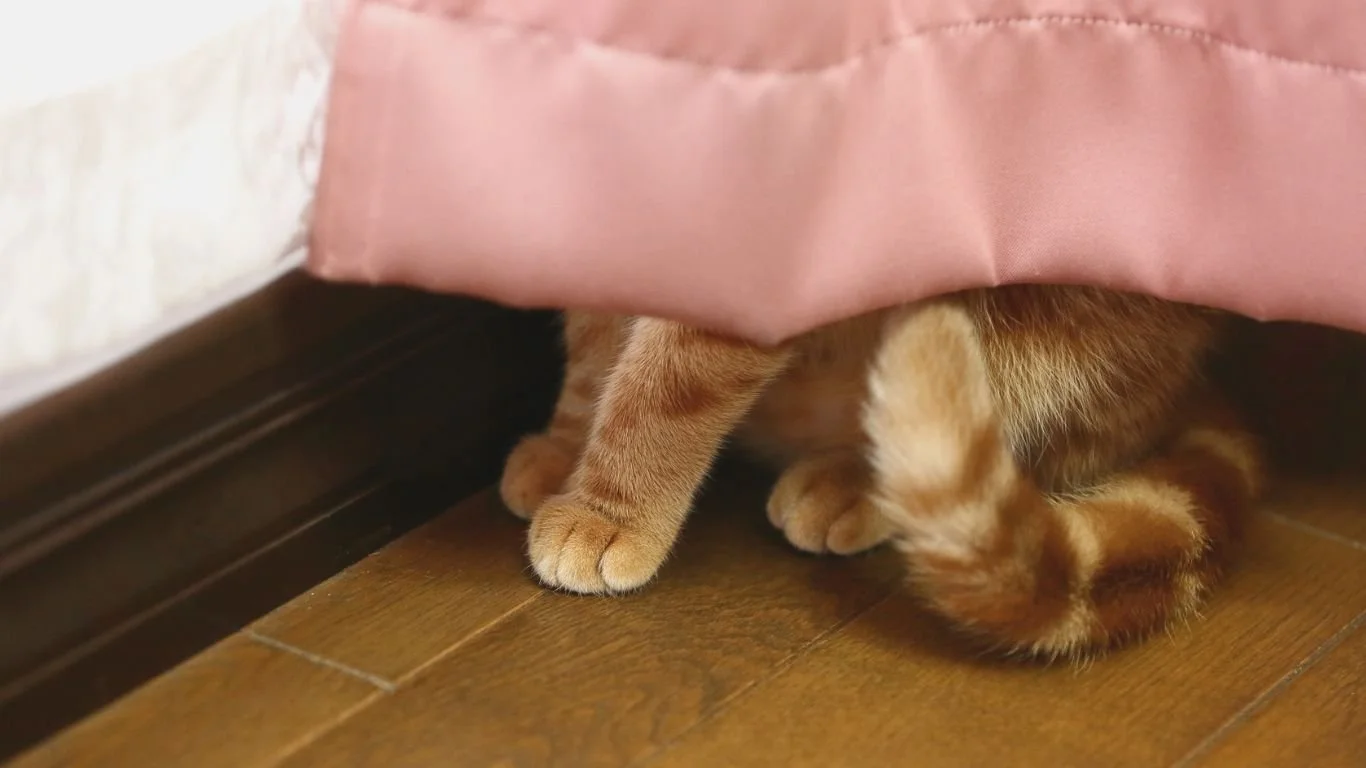
If you've ever found your cat squeezed into a cardboard box, tucked under the bed, or mysteriously vanished into a closet, you're witnessing one of the most fundamental and fascinating aspects of feline behaviour. While it might seem like your cat is playing an elaborate game of hide-and-seek, the truth is far more complex and rooted in millions of years of evolution.
The dual nature of cats: predator and prey
To understand why cats hide, we must first appreciate their unique position in the natural world. Despite thousands of years of domestication, cats retain many of their wild ancestors' instincts. Cats are both hunters and hunted. While cats are skilled predators of small rodents, birds, and insects, they are also vulnerable to larger carnivores. This dual role has shaped their behaviour profoundly, making hiding an essential survival strategy for both stalking prey and avoiding becoming prey themselves.
The Science Behind Hiding Behaviour
Understanding feline emotions and behaviour
Dr Sarah Heath, a UK-based veterinarian and internationally recognised specialist in Behavioural Medicine, recently toured New Zealand as part of the NZVA Companion Animal Veterinarians’ (CAV) Roadshow. Having just completed its second year, the CAV Roadshow is fast becoming a flagship initiative. The aim is to bring world-leading experts to Aotearoa to deliver high-quality continuing professional development (CPD) to veterinarians and allied veterinary professionals across the regions, ensuring New Zealand’s companion animals benefit from the latest global knowledge and best practice. Plans are already underway to bring another UK-based superstar to our shores in 2026!
This year’s CAV Roadshow focused on the link between feline emotions and behaviour, with Dr Heath presenting to packed evening sessions in Auckland, Tauranga, Palmerston North, Nelson, Christchurch, and Invercargill. Throughout the tour, she emphasised that understanding a cat’s underlying emotional motivations is fundamental to interpreting and managing behavioural expression, ultimately supporting better welfare outcomes for cats and the people who care for them.
Hiding serves as a crucial stress-management tool for cats. Research has demonstrated that providing hiding opportunities significantly reduces stress in cats, particularly in shelter environments. A study from the Netherlands found that newly arrived shelter cats provided with hiding boxes showed significantly lower stress levels and adapted to their new environment approximately seven days faster than cats without hiding boxes¹.
Safe spaces and perceived threat avoidance
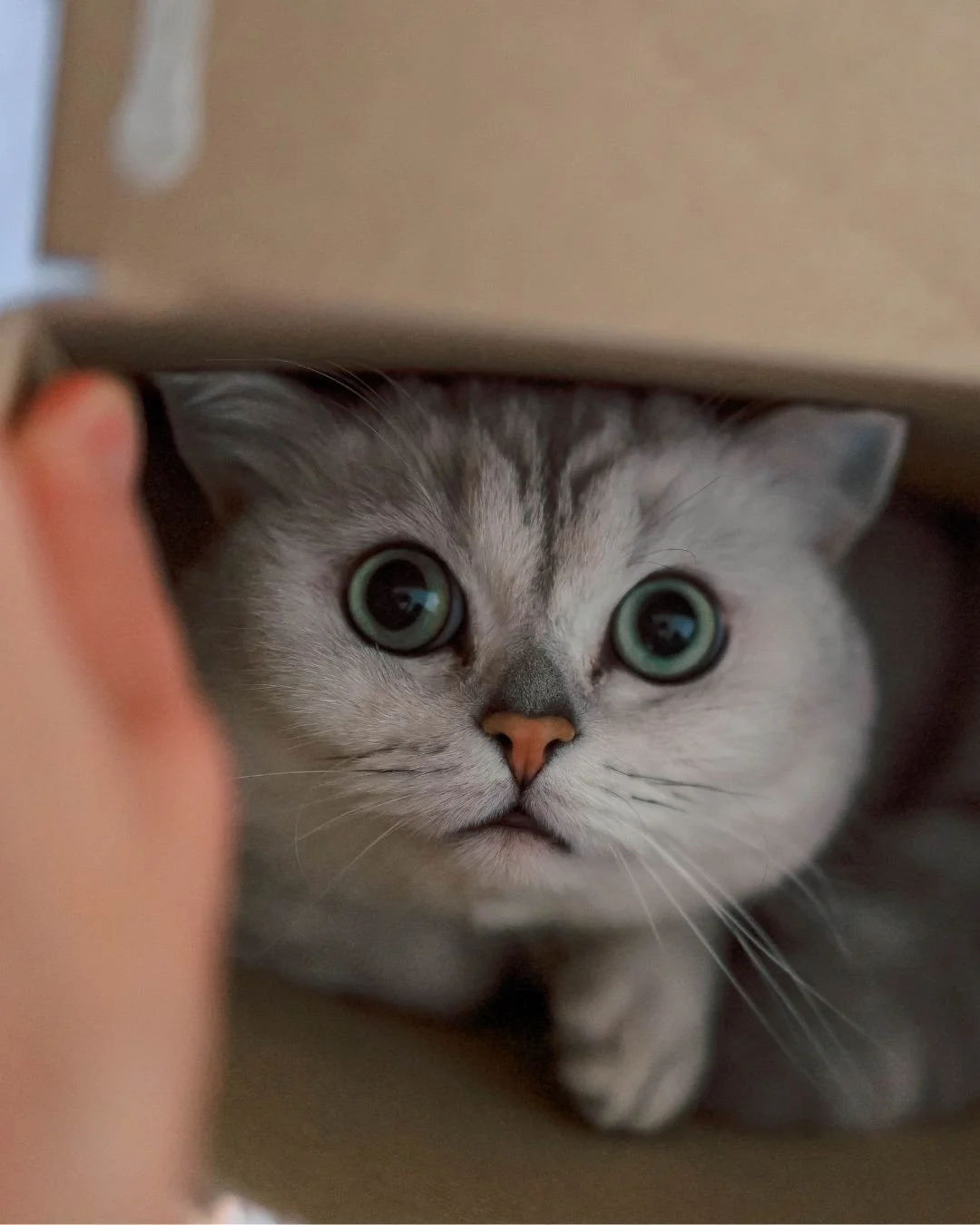
Cats instinctively seek enclosed spaces because these locations help them feel secure from potential threats. Sarah says: “Even when a cat's entire body isn't concealed, such as when only their head and shoulders are hidden under a towel, they feel significantly safer. This behaviour stems from the principle that if they cannot see a potential threat, they perceive themselves as being safer from detection - “If I can't see you, you can't see me”.
One of the five pillars of a healthy feline environment
A team of internationally recognised feline experts including Sarah have developed a framework called the "Five Pillars" for creating optimal feline environments, with safe hiding places being one of the fundamental requirements². Each cat should have access to at least one designated safe space - a private, secure area where they can retreat when feeling threatened or simply desiring solitude.
These spaces may be at ground level or elevated, and it is important that guardians respect their cat’s choice to use them by not disturbing them when they are hiding. In multi-cat households, safe areas should have multiple entry and exit points so another cat cannot block access, ensuring each cat has a true sense of refuge. This is often overlooked by well-meaning guardians who install climbing walls or shelves without making ledges wide enough for cats to pass each other comfortably, which can create conflict. Optimising a cat’s environment means thinking about how they can navigate past one another comfortably and calmly.
Why cats choose specific hiding spots
Temperature and comfort. Cats love warmth! Their preferred ambient temperature is around 30-38°C³, considerably warmer than most humans prefer. Many favoured hiding spots, such as near heaters, on top of appliances, or in sunny patches of enclosed spaces, offer the warmth cats naturally seek, and are perfect for the extensive napping cats are famous for.
Vantage points and environmental monitoring. While we often think of cats hiding in dark, enclosed spaces, they also frequently choose elevated hiding spots that offer excellent views of their surroundings. This behaviour relates to their predatory nature - being able to observe without being observed gives cats both security and strategic advantage.
Sleep and rest requirements. Cats sleep an average of 12-16 hours per day. During these extended rest periods, they need to feel safe from disturbance. In the wild, sleeping animals are vulnerable to predators, so cats seek hiding spots that minimise the risk of being startled awake. Dark, quiet, enclosed spaces allow cats to sleep more deeply and continuously, which is essential for their physical and mental health.
When hiding becomes a concern
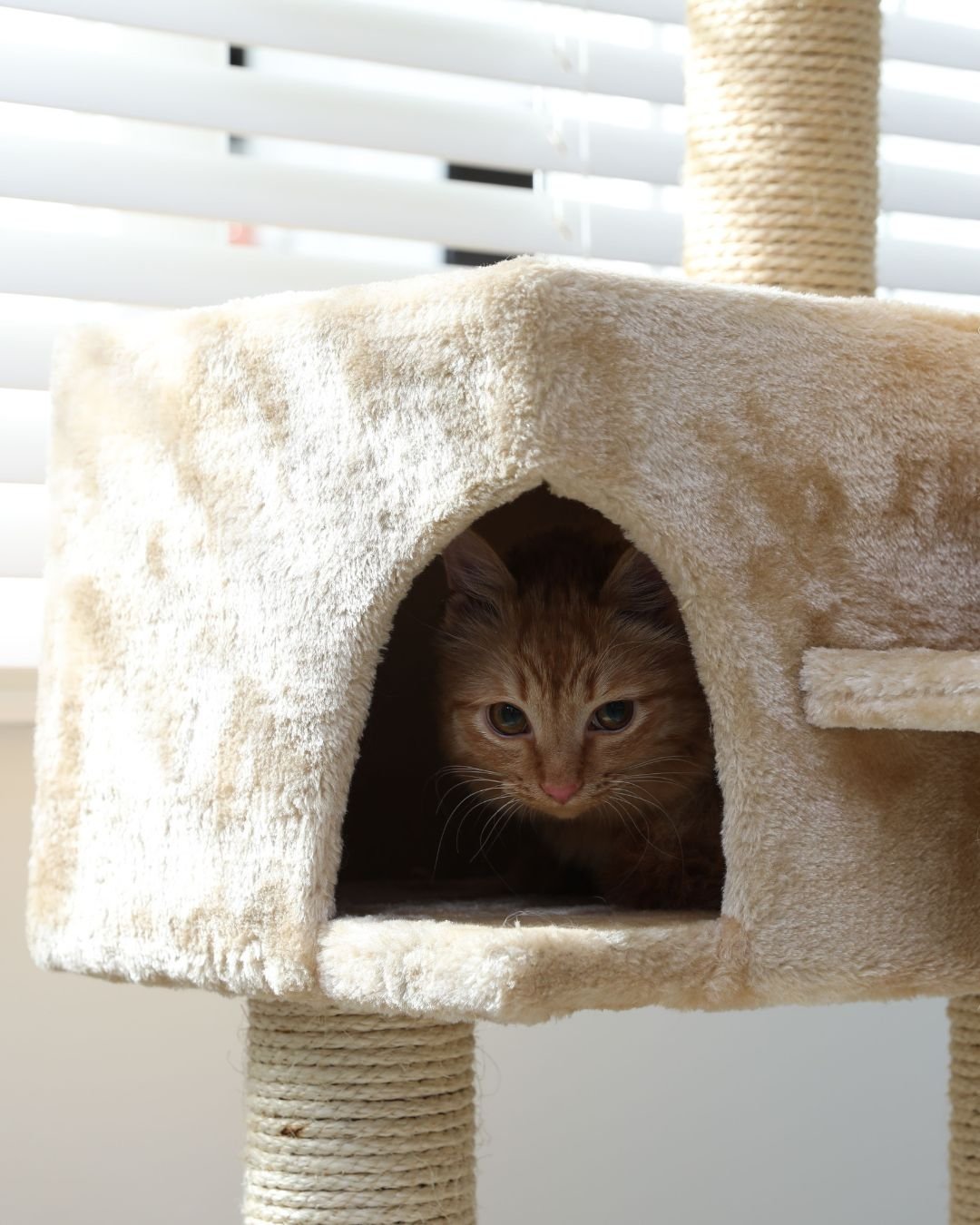
While hiding is a normal and healthy behaviour, sudden changes in hiding patterns can indicate problems. Behavioural changes often signal underlying physical or psychological issues. Cats are notorious for masking illness - another survival instinct inherited from their wild ancestors.
Showing weakness could make them targets for predators, so cats often conceal signs of pain or sickness. Increased or excessive hiding can be one of the first behavioural indicators that something is wrong.
If your previously social cat suddenly starts hiding for extended periods, or if you notice other symptoms such as loss of appetite, lethargy, changes in litter box habits, or vocalisations, veterinary consultation is essential.
Stress and environmental changes
Changes in the household can trigger increased hiding behaviour. New people, new pets, renovations, loud noises, or alterations to the cat's routine can all cause stress. Cats are highly sensitive to environmental changes and may respond by increasing their hiding behaviour as a coping mechanism. While this is normal in the short term, prolonged hiding accompanied by other behavioural changes may indicate the cat is struggling to adapt. Emotional health and physical health both lie at the core of feline welfare.
Supporting healthy hiding behaviour
Rather than discouraging your cat's natural inclination to hide, why not embrace and facilitate it in healthy ways. Offer them the three-dimensional space, a space that is often untapped - shelves, tops of cupboards and tops of wardrobes. Or even very simple solutions, such as cardboard boxes. These remain one of the most popular and effective hiding spots - they're enclosed, easily accessible, and cats find them irresistible - just ensure cats have a way to escape should they live in a multi-cat household.
Other ways to create hiding spots are:
Cat tunnels (wide) and cave-style beds
Blankets or bedding draped over chairs to create instant tents
Accessible spaces under furniture with comfortable bedding
Cat trees (which also allows them to scratch, another natural behaviour)
Elevated perches with partial screening.
When your cat chooses to hide, respect that decision. Forcing interaction or removing a cat from their chosen safe space can damage the trust between you and your pet and increase their stress levels. This is particularly important to communicate to children and visitors who may not understand feline body language and boundaries.
The multi-cat household
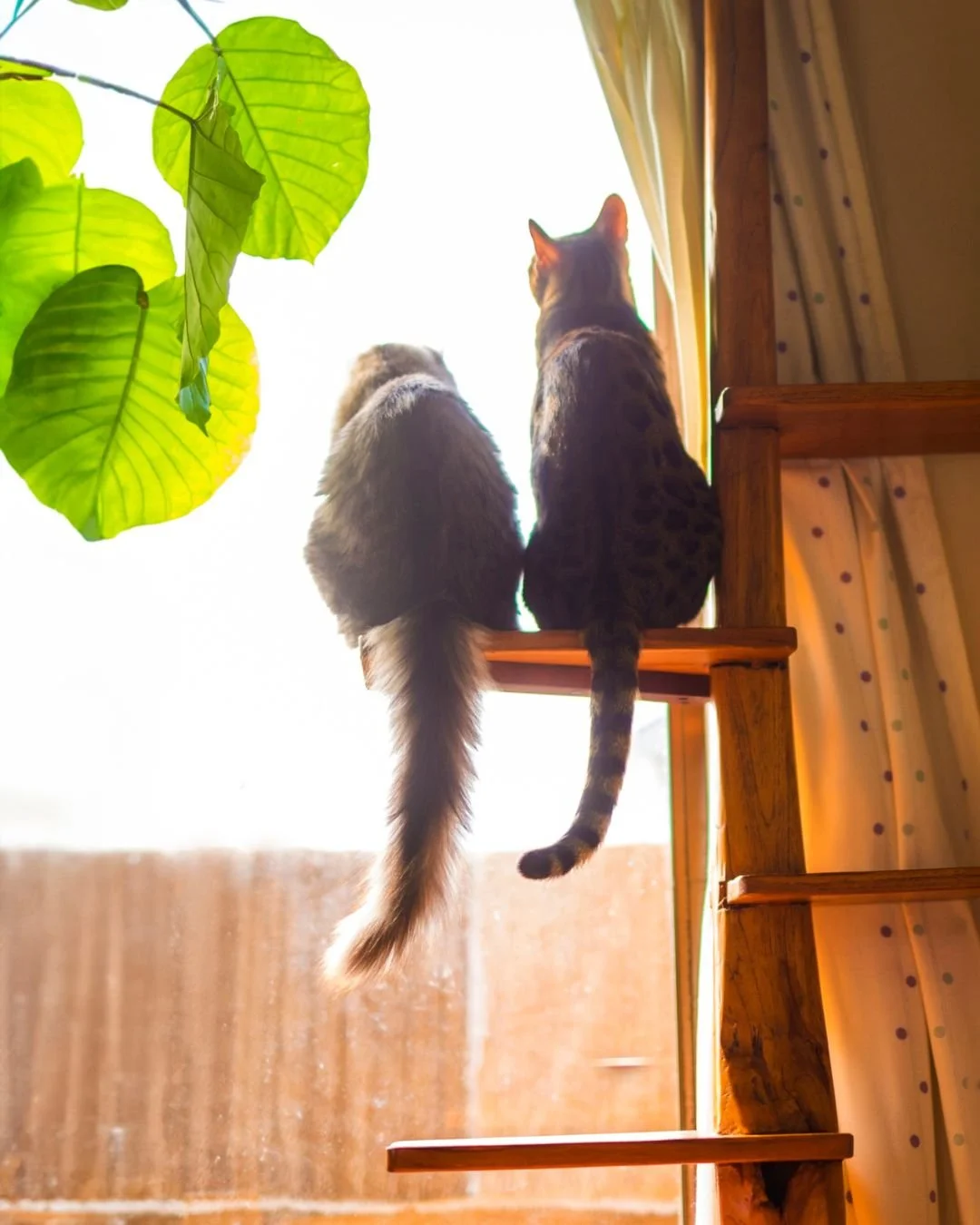
In homes with multiple cats, providing adequate hiding spots becomes even more critical. The general formula recommended is: one resource location per cat plus one extra. This applies not just to litter boxes but to all resources, including hiding spots.
This ensures that each cat has access to safe spaces without competition and reduces the potential for conflict. And keep litter boxes separate - cats don’t like to be watched while toileting.
The next time you find your cat tucked into an impossibly small box or mysteriously absent from sight, remember: they're not being antisocial or strange. They're simply being perfectly, wonderfully cat-like, following instincts honed over millions of years of feline evolution.
References
1.Van der Leij WJR, Selman LDAM, Vernooij JCM, Vinke CM (2019): The effect of a hiding box on stress levels and body weight in Dutch shelter cats; a randomized controlled trial. PLoS ONE14(10): e0223492. https://doi.org/ 10.1371/journal.pone.0223492
2. Ellis SLH, Rodan I, Carney HC, et al (2013): AAFP and ISFM Feline Environmental Needs Guidelines. Journal of Feline Medicine and Surgery. 15(3):219-230. doi:10.1177/1098612X13477537
3. Stella JL, Croney CC (2016): Environmental Aspects of Domestic Cat Care and Management: Implications for Cat Welfare. Scientific World Journal. 2016:6296315. doi: 10.1155/2016/6296315. Epub 2016 Sep 28. PMID: 27774506; PMCID: PMC5059607.
Heath, S. (2018). Understanding feline emotions: and their role in problem behaviours. Journal of Feline Medicine and Surgery, 20(5), 437-444.
Stewart, J. (2013, May). Creating a cat-friendly home. Summary of Dr Sarah Heath’s WSAVA presentation, VetScript, 26(4), 10–12. New Zealand Veterinary Association.