
Bird flu information for pet owners
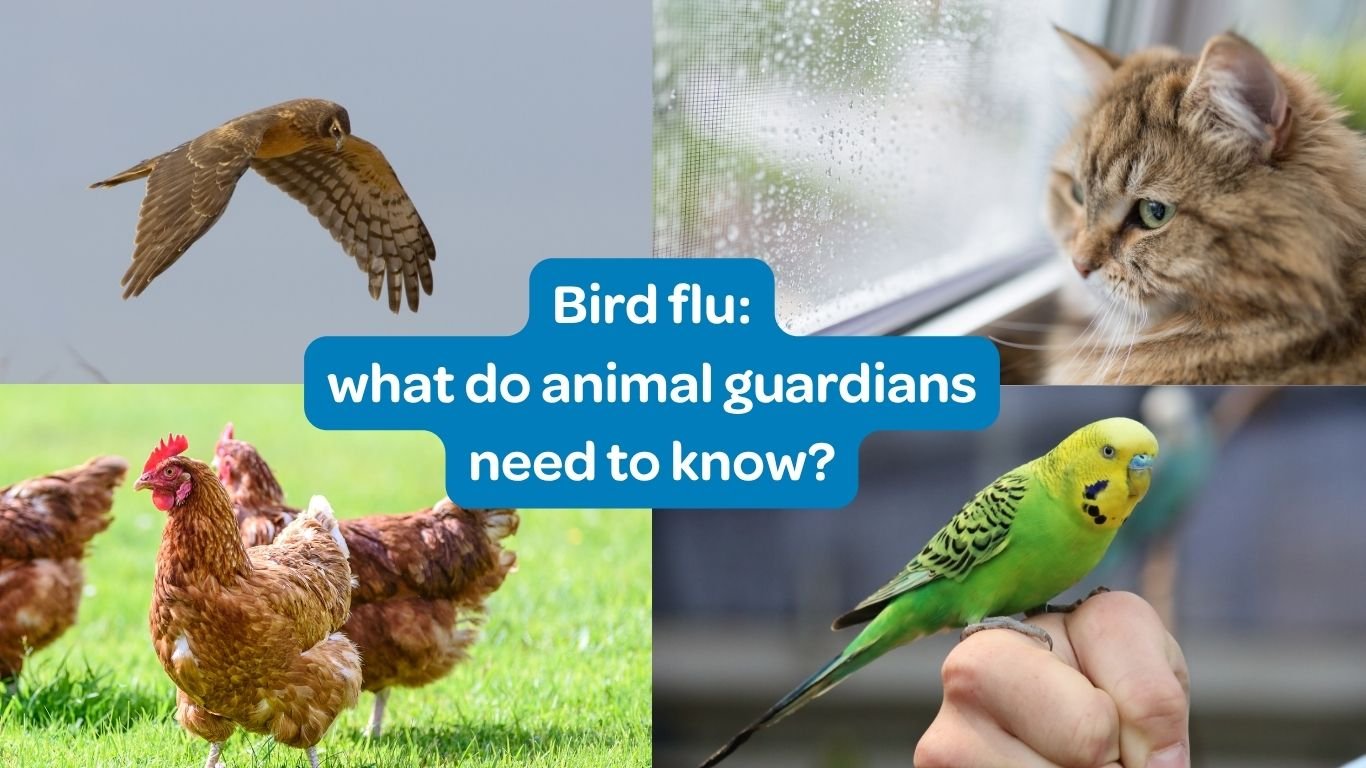
Bird flu (H5N1) has recently been detected in wild birds in New Zealand.
The Ministry for Primary Industries (MPI), Health New Zealand, the Department of Conservation (DOC) and veterinary experts advise that the current risk to people and pets remains low. However, cats can become infected if they hunt, scavenge or come into contact with infected wild birds. Here, we aim to consolidate information relevant to companion animal guardians from organisations responsible for animal health, biosecurity and public health, making it easier to access current advice in one place.
Here are the primary sources for information on bird flu:
To reduce risk to your pets:
Keep pets away from sick or dead birds.
Report groups of three or more sick or dead wild birds to MPI on 0800 80 99 66.
Consider limiting cats' access to areas where birds may be sick or dying.
Seek veterinary advice if your pet becomes unwell after contact with birds.
For the latest information, please refer directly to MPI's bird flu updates and guidance.
Why are cats of particular concern?
Cats are natural hunters and scavengers. The most likely route of infection is:
Hunting or eating infected wild birds.
Contact with sick or dead birds.
Exposure to contaminated environments where infected birds have been present (eg their droppings also).
What bird owners should do:
Pet birds such as budgies, cockatiels, parrots, canaries and finches are biologically more susceptible because bird flu is fundamentally a disease of birds. H5N1 can cause severe disease and high mortality in many bird species. However, if they are indoor pets with no contact with wild birds, their exposure risk is much lower.
Owners should:
Keep pet birds separated from wild birds wherever possible.
Prevent access by wild birds to aviaries, cages, food and water.
Avoid placing food outdoors where wild birds can share it.
Consider moving birds indoors if there are reports of bird flu activity nearby.
What about backyard chickens?
Poultry are at a higher risk of exposure than most pet birds because they spend time outdoors and may come into contact with wild birds, their droppings, or contaminated water sources.
This great MPI video below was created before bird flu reached our shores, but the information and advice here is relevant to what you can do if you have backyard poultry.
What signs should guardians watch for?
Signs of bird flu in chickens and other poultry:
Lack of energy/reluctance to move.
Eating less than normal.
Droopy head.
Darkened and/or swollen comb/wattle.
Coughing, panting and runny nostrils.
Swelling around the head and neck.
Laying fewer eggs than normal.
Watery or green diarrhoea.
Bruises on body and legs.
A silent hen house.
While the risk of cats contracting bird flu is low, the consequences of infection can be severe. Clinical signs are often non-specific and may include fever, lethargy, and loss of appetite. These symptoms are commonly associated with other illnesses also, so veterinary advice should always be sought if a cat is showing any of these signs, particularly if they have been scavenging, hunting, or have had contact with sick or deceased birds.