

‘Turning the tide’ 2027 SPEAKERS
We’re delighted to announce our first confirmed speakers, with more exciting additions to the programme to be revealed soon. Abstract submissions are now also open (more info here).

Professor Emeritus DAVID MELLOR
Professor Emeritus David Mellor is one of the world's most influential animal welfare scientists and the developer of the internationally recognised Five Domains Model - a framework that has transformed how animal welfare is understood, assessed and improved across veterinary medicine, animal welfare, research and policy. A Professor Emeritus at Massey University and Foundation Director of the Animal Welfare Science and Bioethics Centre, his work has helped shift the focus of animal welfare beyond physical health to include animals' mental experiences and overall quality of life. Over a distinguished career spanning more than five decades, Professor Mellor has published more than 570 scholarly works and has made significant contributions to the welfare of companion animals, farm animals, horses and animals used in science. His pioneering contributions to animal welfare science have been recognised internationally, including receiving the Australian and New Zealand College of Veterinary Scientists' Animal Welfare Award.
-
“MEETING” THE FUTURE OR “CREATING” IT: DEFINING THE ESSENTIAL INGREDIENT
D.J. Mellor
Animal Welfare Science and Bioethics Centre, School of Veterinary Science, Massey University, Palmerston North 4442, New Zealand.
The conference Title, “Turning the Tide”, focuses on advancing animal welfare science and especially applying it in areas of significant animal welfare concern. Key inputs required to make such advances include two broad orientations of how scientists work in complementary ways that together lead to the formulation of fresh “Big Picture” conceptual frameworks as the “Essential Ingredient.”
The first element involves animal welfare scientists well versed in what is the dominant conceptual framework at each stage. They operate within that framework, make substantial original contributions and are justifiably recognised for them. They, as it were, successfully “Meet the Future” circumscribed for them by current thinking. Nevertheless, their contributions within that context provide information which is essential to achieve the next important step for advancing the science.
Instead of continuing to operate within the extant assumptions of the science, others seek to update and extend those assumptions by formulating fresh, unifying, integrated or otherwise wider perspectives. The emergence and adoption of these fresh “Big Picture” conceptual frameworks necessarily refute, markedly modify and/or significantly extend the key tenets of the then existing frameworks. Note that this is a repeating pattern. Thus, at each stage the emergence of a fresh conceptual framework reflects the then latest frontier within a succession of frameworks. As each fresh framework emerges and is adopted, it informs thinking until it is itself modified or replaced. This dynamic process is what “Creates a Future” for our science, refreshing it by repeated renewal. It requires scientists with a capacity and predilection for “Big Picture” thinking.
Throughout my 60-year professional career to date, the first 20 years of which were not directly focused on animal welfare, I have been internally impelled to seek “Big Picture” explanations of phenomena that engaged my attention. I did not choose this orientation. It was a gift I inherited through the unique brain circuitry underlying my dyslexia, a gift enjoyed by numerous others who also have dyslexia, and who, like me, had the good fortune to be encouraged to persevere during our difficult formative years. In this way, in common with the others, my dyslexia became “enabling” not “disabling.” Success was “because” of dyslexia, not “in spite of it.” However, many “Big Picture” contributors are not “neurodiverse.” Whatever the origin, these wider perspectives are the “Essential Ingredient” for step changes in thinking that secure a vibrant, rounded, comprehensive, up-to-date and forward-looking future for animal welfare science.
The developing understanding of animal welfare thinking from the mid-1960s [e.g., 1-6] transformed animal management, established animal welfare science as a discipline, and was the basis of the above generic description of two orientations that together advance the science. Briefly, it included, but was not limited to: (1) formulation and wide adoption of the Five Freedoms as an early way of understanding the breadth of animal welfare and the Five Provisions as a means of achieving welfare aims; (2) recognition of three competing orientations towards reasoning in animal welfare science , i.e., biological function, affective state, and natural living; (3) development of the Five Domains Model which, by integrating those three orientations and the breadth of the Five Provisions, made available a systematic and comprehensive way for evaluating animal welfare; and notably (4) that welfare was conceived in terms of what animals experience subjectively, i.e., their identifiable affects. Initially, the Model focused entirely on negative experiences and their causes, and then, in line with parallel developments, positive welfare experiences and impacts of humans’ interactions.
The most recent development is the teleonome [7,8]. This is a unifying biological framework for understanding animals in terms of their evolved, goal-directed systems whose subjective experiences are integral to maintaining viability in dynamic environments. To quote and paraphrase, “By making teleonomic principles explicit, animal welfare science can connect the physiological, behavioural, cognitive, and affective dimensions of life within a single explanatory architecture. The teleonome gives this architecture a concrete form: it is the relational system of traits and processes through which each species, morphotype, and individual detects, values, forecasts, and responds to change in pursuit of its evolved biological goals (its telos). This framing positions welfare as an ongoing process of adaptive regulation rather than a static state. It explains why affective experiences matter – not as moral add-ons, but as evolved mechanisms that help organisms navigate opportunities and threats, balance risk, and sustain coherence with their environments. From this perspective, suffering and pleasure alike signal changes in the efficiency and integrity of the teleonome. Welfare assessment, therefore, must interpret physiological and behavioural data through the lens of biological relevance, asking whether the animal’s context supports or undermines the expression of their evolved capabilities.”
Webster, J. Assessment of animal welfare: The five freedoms. In Animal Welfare: A Cool Eye Towards Eden; Blackwell Science: Oxford, UK, 1994; pp. 10–14.
Fraser, D.; Weary, D.M.; Pajor, E.A.; Milligan, B.N. A scientific conception of animal welfare that reflects ethical concerns. Anim. Welfare 1997, 6, 187–205
Yeates, J.W.; Main, D.C.J. Assessment of positive welfare: A review. Vet. J. 2008, 175, 293–300.
Mellor, D.J.; Patterson-Kane, E.; Stafford, K.J. The Sciences of Animal Welfare; Wiley-Blackwell: Oxford, UK, 2009
Mellor, D.J.; Beausoleil, N.J.; Littlewood, K.E.; McLean, A.N.; McGreevy, P.D., Jones, B. and Wilkins, C. (2020). The 2020 Five Domains Model: Including Human–Animal Interactions in Assessments of Animal Welfare. Animals 2020, 10(10), 1870; doi.10.3390/ani10101870
Littlewood, K.E.; Beausoleil, N.J.; Mellor, D.J. Updating the Five Provisions: Aligning Welfare-Focused Care with the Five Domains Model. Animals 2026, 16, 1927. https://doi.org/10.3390/ani16121927
Wilkins, C.L.; Henshall, C.; Lykins, A.D.; Mellor, D.J.; Fillios, M.; McGreevy, P.D. The teleonome: a framework for understanding animal welfare integrating adaptive capabilities, affective regulation, agency, and environmental affordances. Front. Anim. Sci. 2026, 7:1768519. doi: 10.3389/fanim.2026.1768519
McGreevy, P.D.; Mellor, D.J.; O’Neill, D.; Packer, R.M.; Henshall, C.; Wilkins, C.L. ‘Teleonomes in Tatters’: The Welfare Costs of Selecting Dogs for Extreme Phenotypes, and the Case for Change. Animals 2026, 16, 2867. https://doi.org/10.3390/ani16182867

Dr Susan Hazel
Dr Susan Hazel is a veterinarian, researcher and educator whose work focuses on improving the lives of companion animals and the people who care for them. Based at the University of Adelaide University’s School of Animal & Veterinary Sciences, she is an Associate Professor teaching animal behaviour, welfare and ethics across multiple degree programmes while leading research into the human–animal bond. Susan has supervised more than 40 PhD and Hons research projects and published over 90 scientific papers. Beyond academia, she is an active advocate for animal welfare, serving on the boards of the Dog & Cat Management Board of South Australia and RSPCA South Australia.
-
Aiming for more bark than bite: an innovative evidence based approach to reducing dog bites in south australia
S.J. Hazel1, I. Iankov2, S. Tuke3
¹ School of Animal and Veterinary Sciences, College of Science, Adelaide University, Adelaide, South Australia, 5000
² Department for Health and Wellbeing, Citi Centre Building, 11 Hindmarsh Square, Adelaide South Australia, 5000, Australia
³ School of Mathematical Sciences, College of Science, Adelaide University, Adelaide, South Australia, 5000
Dogs are the most kept companion animal in Australia, and the second most common in New Zealand. Living with dogs is associated with many positive benefits, but dog bites present a serious public health risk. Each dog bite results from an interaction between the dog, the victim, and the environment in which the bite occurs. Complex interactions between each of these factors make it difficult to predict dog bites, and simple interventions, such as breed specific legislation, are likely to be at best ineffective and at worst counterproductive.
South Australia is unique in having a skills-based Board (Dog & Cat Management Board or DCMB) to manage dogs and cats, regulated by the Dog & Cat Management Act of South Australia (1995). Board members have expertise in veterinary science, public health, public policy, local government and law. Motivated by a steady increase in the number of hospitalisations due to dog bites in South Australia, in the last six years the Board has developed an evidence-based approach to reducing the risk of dog bites in our community. This approach includes public health campaigns to educate and enable human behaviour change to reduce dog bite risk. The campaigns are backed by research to determine where dog bites occur in the community and potential risk factors. Research is an integral part of this work as gaps in our knowledge of the true incidence of dog bite in the community existed with reliance on hospital admissions.
The Board’s approach has incorporated knowledge of the importance of human behaviour change to create effective messages. The first public health campaign was designed to educate people that every dog has the potential to bite, and dog bites are a serious public health problem. ‘Good Dogs Have Bad Days’ was run for the first time in July-Oct 2023 with exposure through TV, online and social media, radio, buses and bus shelters. A survey was run pre- and post- the campaign to determine the effectiveness of the message and measure attitudes to management of dogs, such as supervision around children. The survey demonstrated a short-term increase in agreement by respondents that any dog can bite and provided valuable information on risky behaviours with dogs that could be targeted in future campaigns.
At the same time as the first public health campaign was launched, a baseline survey in 2023 of over 2000 representative South Australian households estimated the incidence of dog bites across South Australia. This survey is being repeated in late 2026, and data used to estimate changes in dog bite frequency and risk factors associated with dog bites per household. Previous research on dog bites has relied on hospital admissions both in Australia and internationally making this work both unique and invaluable.
Further targeted media campaigns have reinforced the message that any dog can bite, and educated people about the signs a dog might not want to interact. The surveys run pre- and post- the Good Dogs Have Bad Days campaign demonstrated many people did not recognise scenarios in which a dog might be more likely to bite (eg. if in pain, or fearful). This was connected to online resources on dog behaviour and body language, and an effective and very catchy jingle (Step Back) with the aim to educate people to notice the signs a dog does not want to interact, avoiding contact and a potential bite.
The strength of this work lies in the combination of public health campaigns with research, using knowledge of human behaviour change to create the materials and message for each campaign. The success of the work may be measured both by changes in dog bite incidence in South Australia and also across Australia and internationally as findings are translated for use in other jurisdictions.
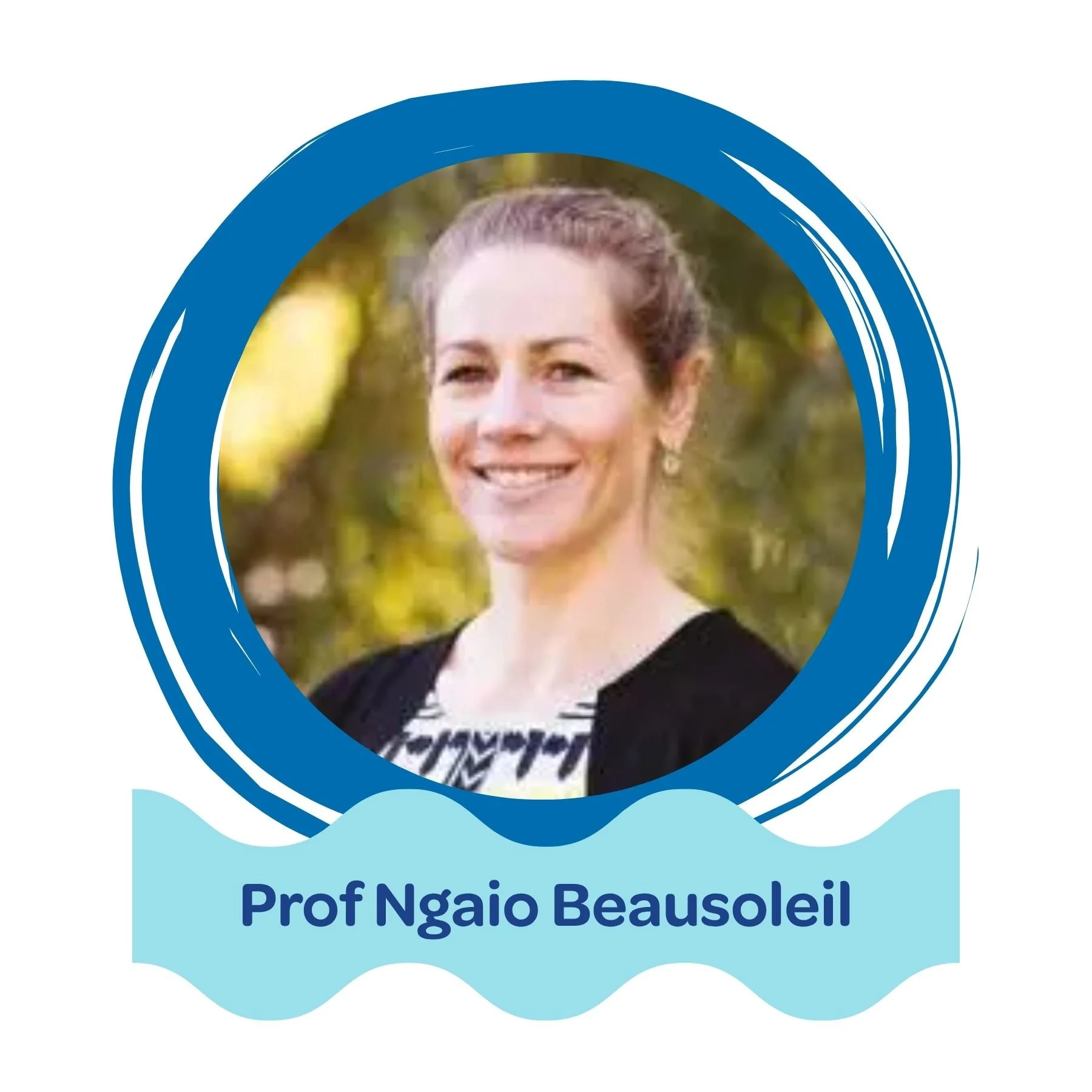
Professor Ngaio Beausoleil
Professor Ngaio Beausoleil is one of New Zealand's leading animal welfare scientists and an internationally recognised expert in animal welfare and conservation welfare. As Co-Director of the Animal Welfare Science and Bioethics Centre at Massey University, her research explores how animals experience both positive and negative welfare, using behavioural and physiological science to better understand their needs. Her work has helped advance humane practices, including research into animal pain, welfare assessment and euthanasia, and she is a trusted contributor to animal welfare policy and scientific publications in New Zealand and internationally.
-
Re-joining the Dots, Rebuilding New Zealand’s Animal Welfare System
N.J. Beausoleil
Animal Welfare Science and Bioethics Centre
School of Veterinary Science
Massey University
Private Bag 11-222
Palmerston NorthTwenty years ago, New Zealand was considered a world leader in animal welfare. While other countries are making bold changes to improve animal welfare, we have fallen behind. Key challenges include fragmentation of the animal welfare system, severe reductions in the already limited funding for animal welfare research, loss of trust in science as a way of understanding the world, and science not effectively informing policy to improve animal welfare. Nonetheless, we still have in our favour: world-leading animal welfare researchers, a single regulatory jurisdiction, and many passionate and expert practitioners and volunteers working on behalf of animals. In this presentation I will discuss selected examples of people and organizations preparing and rebuilding the trust, connections, collaboration, knowledge and focus necessary to have an animal welfare system New Zealand can be proud of again.
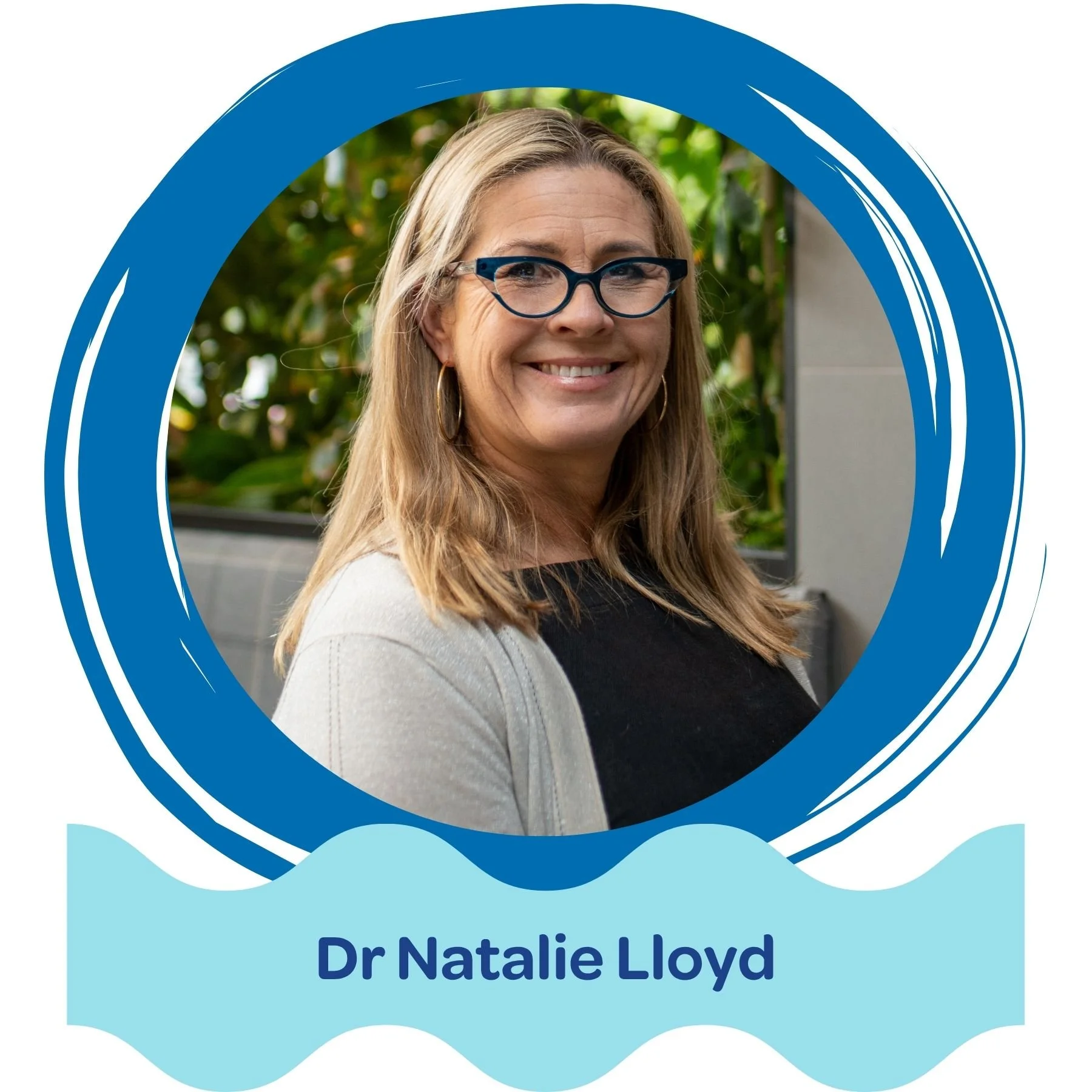
Dr Natalie Lloyd
Dr Natalie Lloyd is a veterinarian with a strong passion for feline welfare and companion animal medicine. A Massey University graduate, Natalie co-owned a Wellington veterinary clinic with her husband, that became the city’s first iCatCare-accredited Cat Friendly Clinic.
She served as President of the NZVA Companion Animal Veterinarian Branch from 2019–2023 and remains involved in leadership and standards work with both NZVA and the World Small Animal Veterinary Association (WSAVA). She is also a member of the Feline Chapter of the Australian and New Zealand College of Veterinary Scientists and an Affiliate of the iCatCare Veterinary Society. Natalie is currently Manager of Companion Animal Veterinary Operations at Zoetis New Zealand and lives in Wellington with her husband, two teenage children and their two cats, Boris and Hazel.
-
Life Well-Lived Indoors: Turning good intentions into positive welfare
Dr NR Lloyd BVSc MANZCVS (Medicine of cats)
Companion Animal Veterinary Operations Manager and Medical Community Engagement Lead
Zoetis New Zealand
An increasing number of New Zealand feline caregivers are choosing to keep their cats indoors or restrict outdoor access, driven primarily by concerns for cat safety and the protection of native wildlife. While indoor management can offer significant welfare benefits, it also brings the responsibility of thoughtfully meeting cats’ environmental and behavioural needs within the home. This talk explores key considerations for caregivers navigating this shift.
Cats are solitary hunters shaped by evolutionary pressures that remain deeply relevant in domestic life. The AAFP/ISFM Feline Environmental Needs Guidelines provide a practical framework through five pillars: providing a safe place; offering multiple, separated key resources including food, water, toileting, scratching and resting areas; enabling predatory play behaviour; fostering positive and predictable human–cat interaction; and respecting the importance of the cat’s sense of smell. Each pillar will be explored with practical examples of how these needs can be meaningfully met within an indoor setting.
New Zealand caregiver attitudes towards keeping cats indoors reveal a picture of growing motivation alongside real and relatable challenges. Global evidence supports that indoor cats can and do enjoy an excellent quality of life — but only when meeting the needs of indoor cats are identified as essential for positive welfare outcomes, as opposed to “environmental enrichment” indicating they are nice “to haves”.
This talk will offer practical, evidence-based guidance on how indoor environments can be designed to support feline wellbeing. Rather than offering easy answers, this talk aims to support caregivers in making informed, compassionate decisions — recognising that the best outcome for cat welfare is not always a one-size-fits-all solution

Dr Kat Littlewood
Dr Kat Littlewood is New Zealand's only Registered Veterinary Specialist in Animal Welfare Science, Ethics, and Law - a protected title awarded following formal assessment of advanced expertise and experience. Her PhD examined end-of-life decision-making for companion animals and critically evaluated quality of life assessment tools and their effectiveness for owners at home. She co-authored the 2020 update of the Five Domains Model with Emeritus Professor David Mellor, serves on the National Animal Welfare Advisory Committee, and is co-founder of AkoVet, where she runs specialist quality of life consultations for companion animal owners.
-
TURNING THE TIDE ON QUALITY OF LIFE SCORES
K.E. Littlewood¹
¹AkoVet, Manawatu, New Zealand
Caregivers, shelter staff, veterinary teams, and animal welfare inspectors all make judgements about how an animal's life is going. Is a dog coping with long-term shelter care? Is a horse with arthritis still comfortable in the paddock? Is an older cat with kidney disease still having good days?
Quality of life scales are often used to answer these questions. Most ask the carer to rate a short list of headings, such as "happiness", "hurt", or "mobility", add the ratings together, and compare the total against a cut-off. Some headings ask the carer to sum up everything they have noticed in one word. Others ask them to say what the animal is feeling. Adding the ratings assumes that one feeling can make up for another. A dog that eats well but is in pain every time it walks can score the same as a dog that is doing moderately well at both. Carers also complete these scales when decisions feel heavy, and that pressure can push ratings too high or too low.
In this talk, I show how to turn the tide on quality of life scores by working from what carers can see. The Five Domains Model sets out three steps. First, record observations: how far the horse walks to water, whether the cat still jumps onto the windowsill, and how the dog responds when a familiar person approaches the kennel. Second, consider what those observations indicate about the animal's nutrition, physical environment, health, and interactions with their environment, other animals, and people. Third, name the feelings the animal is likely to be experiencing, both negative ones such as pain, nausea, fear, or frustration, and positive ones such as the pleasure of eating, play, or company.
Some feelings need attention before others. Severe pain or nausea can stop an animal from exploring, playing, or seeking company, so a quiet, withdrawn animal may be in pain. Repeating the assessment over weeks and months shows whether life is getting better or worse for that animal.
When carers, shelter teams, and veterinary staff work this way, they share a language for what an animal is likely experiencing and can link each problem to something they can change. Participants will leave with practical questions they can use with any species in their care.
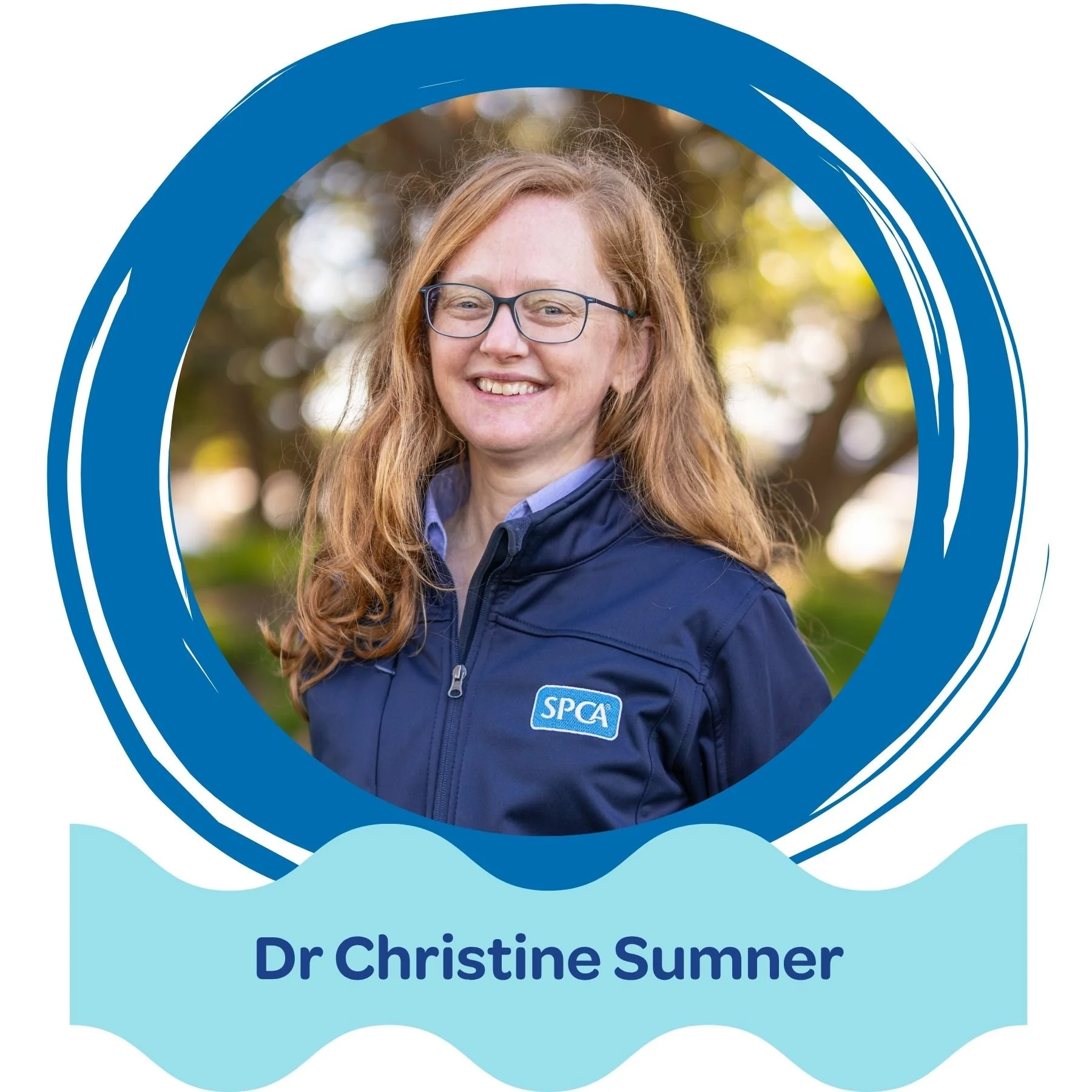
Dr Christine Sumner
Dr Christine Sumner is a social scientist with interdisciplinary training in animal welfare science. She is a Senior Scientific Officer with SPCA and has led their advocacy on cat management for the last eight years. She has published original research on keeping cats at home and the legislation and policies in New Zealand that impact cat welfare. She works with diverse groups including members of Government, Local Councils, the Department of Conservation, the New Zealand Cat Management Group, and represents SPCA on international cat groups to advance humane and effective cat management that protects cat welfare and addresses the problems with cat overpopulation.
-
Balancing national consistency and local context for better cat management
C. L. Sumner
Royal New Zealand Society for the Prevention of Cruelty to Animals
Cat management should address the problems we see with cat overpopulation, including poor welfare, nuisance, and harm to wildlife and human and animal health. A key challenge is prioritising effective long-term preventive strategies for managing companion and stray cats that are locally appropriate and socially acceptable. Lack of a nationally consistent preventive approach, including identification and desexing, leaves cats at risk of harm. At the same time, we need a better understanding of the local conditions where cat overpopulation is acutely felt. Balancing national consistency and local needs can help build support for sustainable cat management in New Zealand.

Dr Alison Vaughan
Dr Alison Vaughan is an applied animal behaviour and welfare scientist and a Senior Scientific Officer at SPCA. She holds a PhD in Applied Animal Behaviour and Welfare and has extensive practical experience assessing the welfare and behaviour of dogs across a range of settings, including commercial dog businesses, shelters and cruelty investigations. Her work has contributed to animal welfare policy and regulation development in New Zealand, including through engagement with government, local authorities and other sector stakeholders.
Alison has extensive experience in greyhound welfare and advocacy, having served for many years on Greyhound Racing New Zealand’s Health and Welfare Committee, an expert advisory group formed to advise on the health, safety and welfare of racing greyhounds. She leads SPCA’s work on greyhound welfare and has worked closely with government, the racing industry, the Greyhound Transition Agency, rehoming organisations and other stakeholders.
-
After the ban: Lessons from ending greyhound racing in New Zealand
A. Vaughan
Royal New Zealand Society for the Prevention of Cruelty to Animals
Greyhounds are often seen as racing dogs, yet modern racing is a recent chapter in a breed history spanning thousands of years. In August 2026, New Zealand closed that chapter, leaving just four countries where racing continues. But what does this significant policy shift mean for the dogs themselves? This talk reflects on concerns raised before the ban about potential impacts on greyhound welfare and continuation of the breed, how these have been addressed, and the gaps that remain. It also considers how lessons learned apply to greyhounds internationally, and to protecting animals when other industries or practices change or end.

Dr Becky Murphy
Dr Becky Murphy is a companion animal veterinarian with experience in genetics, animal welfare advocacy, clinical practice, and governance. She is the current President of the New Zealand Veterinary Association Companion Animal Veterinarians Special Interest Branch, Chair of the World Small Animal Veterinarian Association Hereditary Disease Committee and is the NZVA representative on the Companion Animals New Zealand Board.
Becky spent seven years as Canine Health and Welfare Officer for Dogs New Zealand (NZ Kennel Club) and 14 years in clinical practice, now restricted to canine genetic disorder screening and theriogenology. She is passionate about using genetic disorder testing, selecting against extreme conformation, improving genetic diversity, and making good breeding decisions with the welfare of the dogs at the forefront.
-
Built for a Good Life: Putting Innate Health First
B. Murphy
TCI Veterinary Services, Manawatū, New Zealand
What does it actually mean for a dog to be healthy? We often think about vaccination, good nutrition, veterinary care and testing for inherited disease. But there is an even more fundamental question we should be asking: was this dog born with a body that allows it to live a normal, comfortable life?
This is the idea behind innate health. At its simplest, an innately healthy dog should be able to breathe freely, move comfortably, eat and sleep normally, regulate its temperature, communicate with other dogs and participate in normal canine activities without its body getting in the way. It should not routinely require surgery, medication or significant human intervention simply to compensate for the physical characteristics it was born with.
Innate health matters when we deliberately breed dogs, but it also matters far beyond breeding. Every part of the companion-animal community helps shape what society considers a normal and desirable dog. Breeders make choices about the dogs they produce, while veterinarians, rescue organisations, advertisers, social media and prospective owners all influence the dogs and physical characteristics that are seen, promoted and celebrated.
This creates some difficult questions. How do we provide excellent care for an individual dog with significant health problems without inadvertently normalising the characteristics that caused those problems? When does a successful surgical correction risk making a preventable condition appear acceptable? And can our understandable desire to save and rehome individual animals sometimes conflict with our responsibility to improve the lives of dogs as a population?
Health screening and genetic testing remain valuable tools, but they cannot make an inherently unhealthy body shape healthy. Equally, simply desexing dogs after they enter the rescue system cannot address all of the factors determining which dogs are deliberately created or desired in the first place.
Turning the tide requires us to look further upstream. Whether we breed dogs, rescue them, treat them, rehome them or simply influence how people think about them, we can start with one deceptively simple question: can this dog simply be a dog?

Dr Arnja Dale
Dr Arnja Dale is Chief Scientific Officer at SPCA New Zealand and an experienced animal welfare scientist with more than 20 years' experience across research, education and policy in New Zealand and internationally. She provides scientific leadership across animal welfare research, education and advocacy, including the development of evidence-based welfare standards and engagement with government and industry.
Arnja holds a PhD in canine welfare, master's degrees in Applied Animal Behaviour and Animal Welfare, and Ecology, and a Bachelor of Science in Zoology and Psychology. Before joining SPCA, she was a Senior Lecturer in Animal Welfare Science, Ethics and Law at Unitec, where she led research projects and the Animal Welfare Investigations training programme. Passionate about translating science into practical improvements for animals, Arnja is a strong advocate for evidence-based education to influence attitudes, build understanding and shape the next generation of responsible animal guardians.