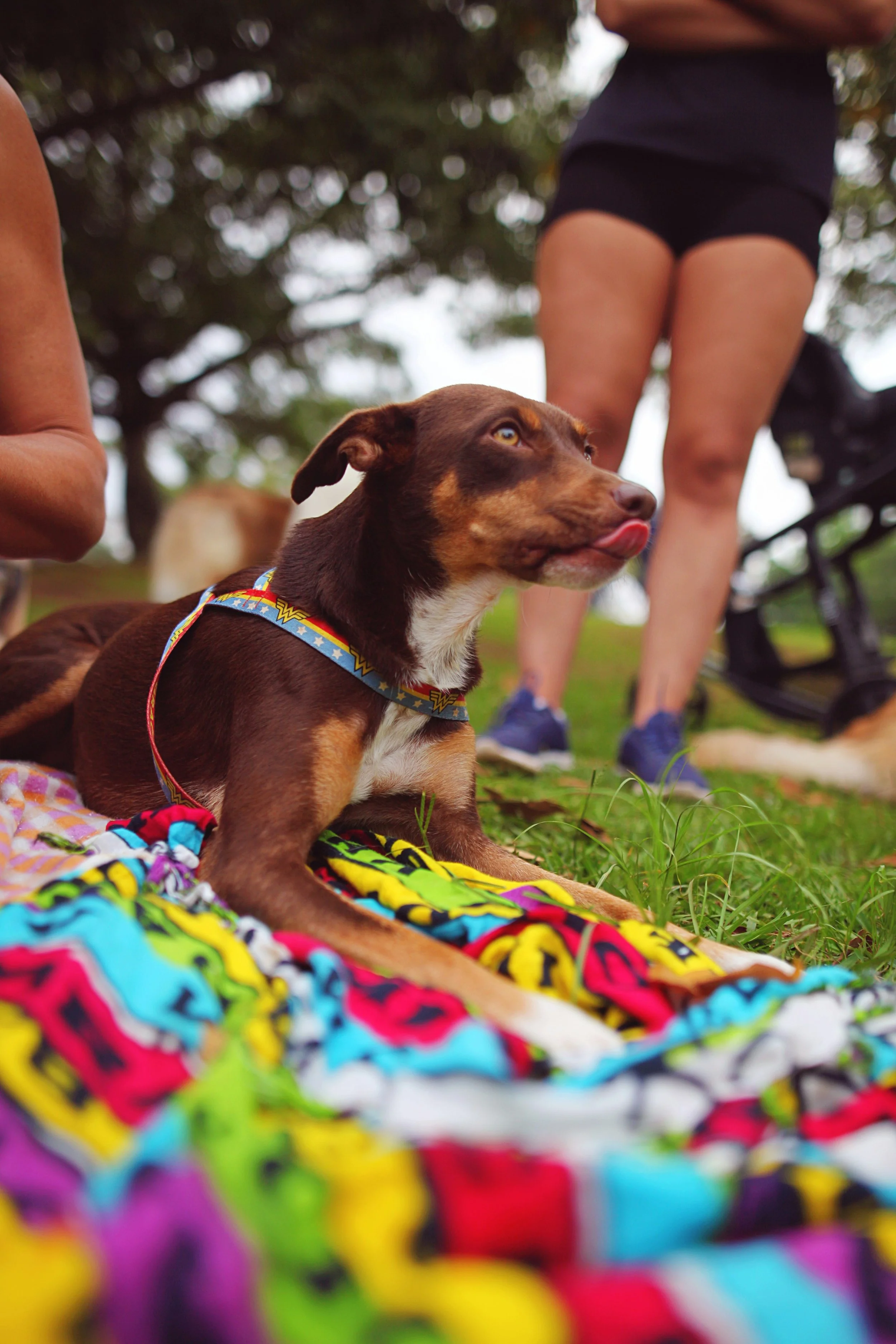
Dogs are intelligent, social, and emotionally complex animals. Beyond receiving good nutrition and health care, dogs need opportunities to engage with their environment, make choices, solve problems, explore, play, and interact with people and other animals to experience a good quality of life. When these opportunities are lacking, boredom can become a welfare concern.

What is boredom?
In dogs specifically, boredom is a state of ‘understimulation’ or unmet behavioural needs, including too little mental, social, or physical activity. Dogs evolved and were bred for work, exploration, and social interaction; when those needs are not met, undesirable behaviours (like those outlined below) may become more prominent.
Boredom serves the purpose of motivation in humans and non-human animals – to seek out new experiences, learn and explore. But when there is no opportunity to escape it, it becomes a welfare problem rather than a useful signal.
But can dogs really get bored?
Yes. Animal welfare science increasingly recognises that animals are sentient beings capable of experiencing a range of emotional states. Just as humans can become frustrated or disengaged when they lack stimulation, dogs can also experience negative emotional states when their behavioural and social needs are not being met.
The Five Domains Model of animal welfare, widely regarded as the leading framework for understanding animal welfare, recognises that an animal's mental state is influenced not only by their physical health and environment, but also by their ability to engage in meaningful behaviours, behavioural interactions and experiences.
Simply put, a dog can be physically healthy and still have poor welfare if they are not experiencing enough positive opportunities in their daily life.
Signs your dog might be bored
A bored animal might seem sluggish and disengaged one moment, then restless and agitated the next: pacing, seeking stimulation and unable to settle. The animal feels uncomfortable doing nothing but has nothing worthwhile to do. You might also notice disrupted sleep or repetitive behaviours like spinning or excessive licking, these can be signs that an animal is struggling with a lack of mental stimulation.
Some of the signs to watch for in dogs are:
Excessive barking or whining
Destructive chewing
Digging
Escaping or attempting to escape
Restlessness or pacing
Attention-seeking behaviour
Repetitive behaviours
Excessive licking or grooming
Increased excitability
Difficulty settling
However, these behaviours can also be associated with fear, anxiety, frustration, pain, or medical conditions. If a behavioural change is sudden or concerning, it is important to consult your veterinarian or a behaviour consultant.
Why exercise alone isn't always enough
Many people assume that a long walk is all a dog needs.
Physical exercise is important, but dogs also require mental stimulation. In fact, some dogs can walk for kilometres and still have unmet behavioural needs.
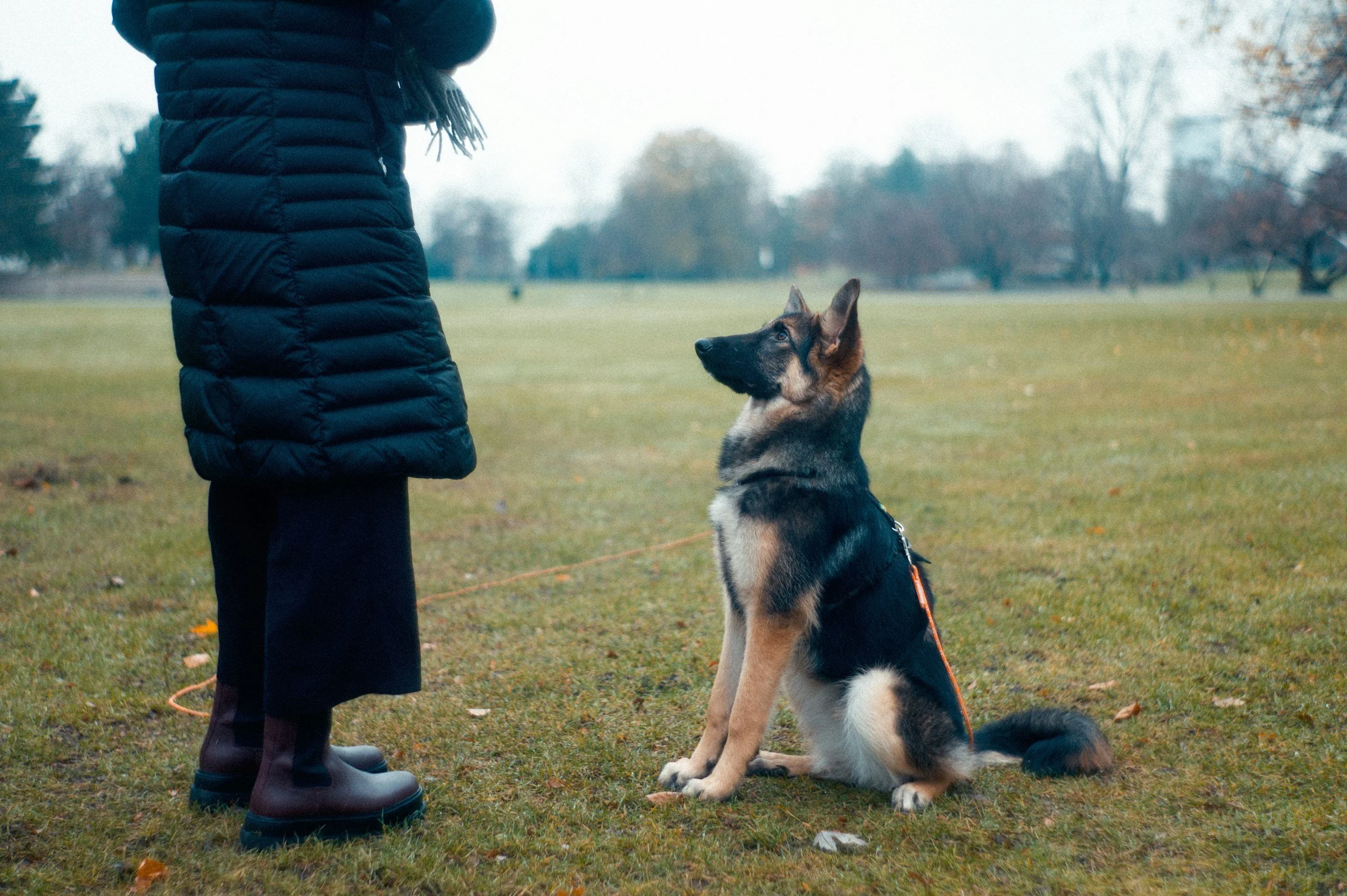
Dogs evolved alongside humans as problem-solvers, hunters, herders, retrievers, guardians, and companions. Many were selectively bred to perform complex tasks that required decision-making, concentration, and interaction with people.
This means that activities engaging a dog's brain can be just as important as activities exercising their body.
What Does a Good Day Look Like for a Dog?
Rather than asking how to prevent boredom, it can be helpful to ask:
"What opportunities does my dog have to experience positive emotions today?"
Positive welfare experiences might include:
Sniffing and exploring new environments
Social interaction with trusted people
Positive interactions with other dogs
Training sessions using rewards
Food puzzles and enrichment toys
Opportunities to play
Chewing appropriate items
Investigating new scents
Resting comfortably in a safe environment
Making choices about where they go and what they interact with (agency)
These experiences help promote curiosity, engagement, confidence, and enjoyment.
Simple ways to enrich your dog's life
You don't need expensive equipment to provide enrichment.
Some easy ideas include:
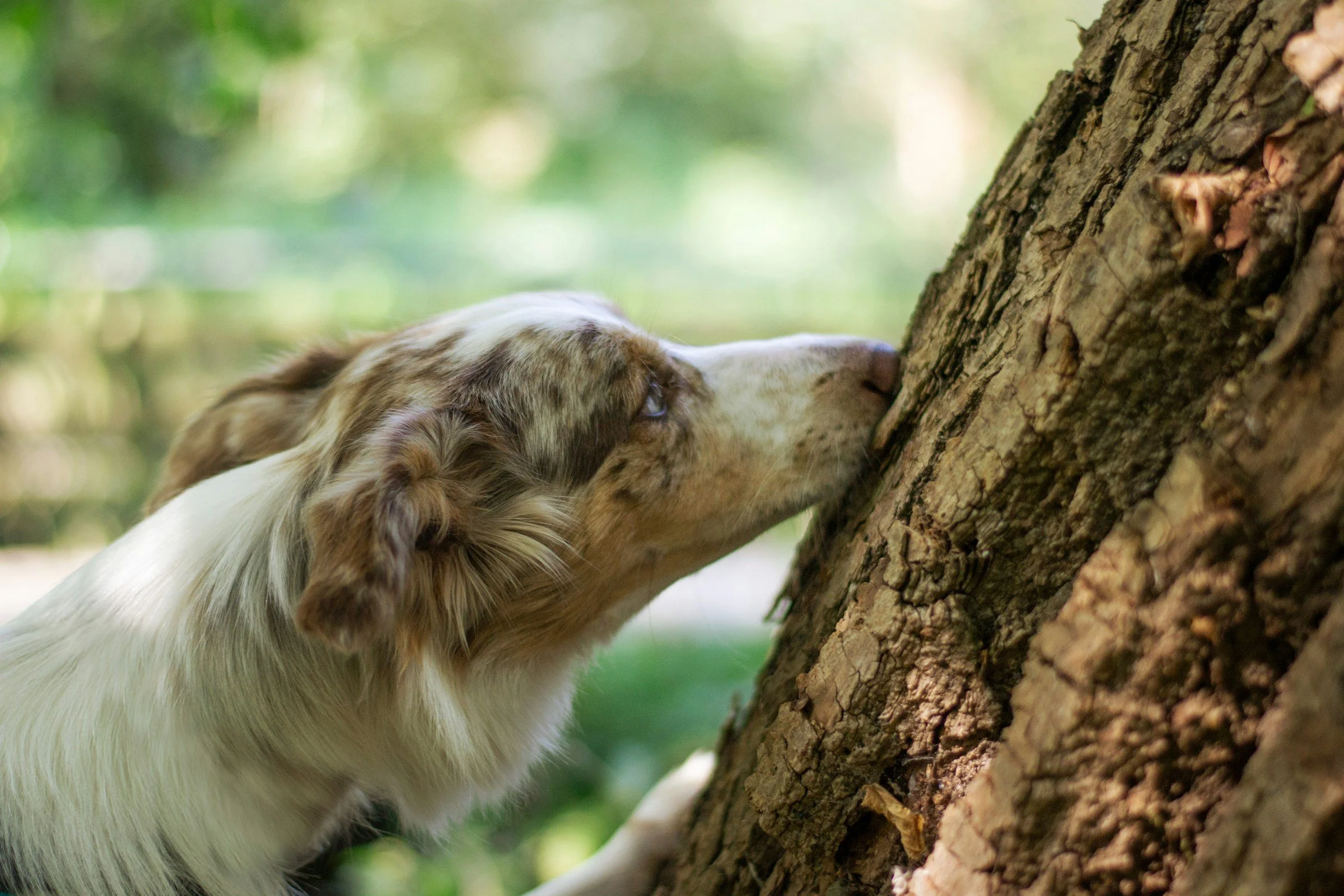
Let them sniff
Dogs experience the world primarily through their noses. Allowing extra time for sniffing on walks can provide significant mental stimulation.
Use food enrichment
Scatter feeding, treat puzzles, snuffle mats, frozen food toys, or hiding food around the house can encourage natural foraging behaviours.
Teach new skills
Training isn't just about responding to cues. Learning new behaviours and solving problems provides valuable mental stimulation and can strengthen the bond between you and your dog.
Rotate toys
Rather than leaving every toy available all the time, rotate them regularly to maintain novelty and interest.
Create opportunities for choice (agency)
Allowing dogs some control over their environment and activities can contribute to positive welfare experiences.
Spend quality time together
For many dogs, social interaction is highly rewarding. Play, training, exploration, and companionship all contribute to wellbeing.
Modern animal welfare science encourages us to think beyond simply avoiding suffering and providing an adequate life, and instead focus on giving animals a Good Life. A dog that is well-fed and healthy is not necessarily a dog that is thriving.
The goal should be to provide opportunities for positive experiences that allow dogs to express natural behaviours, engage with their environment, and enjoy their lives.
If your dog spends much of their day waiting for something to happen, it may be worth asking whether they need more than just exercise – because a good life is not just about being free from suffering, it is about having many opportunities for joy, curiosity and engagement, too.
References
Burn, C. C. (2017). Bestial boredom: A biological perspective on animal boredom and suggestions for its scientific investigation. Animal Behaviour, 130, 141–151. https://doi.org/10.1016/j.anbehav.2017.06.006
Littlewood, K.E., Heslop, M.V. & Cobb, M.L. (2023). The agency domain and behavioral interactions: assessing positive animal welfare using the Five Domains Model. Frontiers in Veterinary Science, 10, 1284869. https://doi.org/10.3389/fvets.2023.1284869
Mellor, D.J., Beausoleil, N.J., Littlewood, K.E., McLean, A.N., McGreevy, P.D., Jones, B. & Wilkins, C. (2020). The 2020 Five Domains Model: including human-animal interactions in assessments of animal welfare. Animals, 10(10), 1870.SPCA New Zealand. The Five Domains Model of Animal Welfare. Available at: https://pubmed.ncbi.nlm.nih.gov/33066335/